Zero Waste Manufacturing Design Approach of Doubly Curved EPS Fenestration Facades Using Robotic Hotwire Cutting

Miljković, T., Jovanović, M. and Bajšanski, I., 2026. Zero Waste Manufacturing Design Approach of Doubly Curved EPS Fenestration Facades Using Robotic Hotwire Cutting. Nexus Network Journal, pp.1-14.

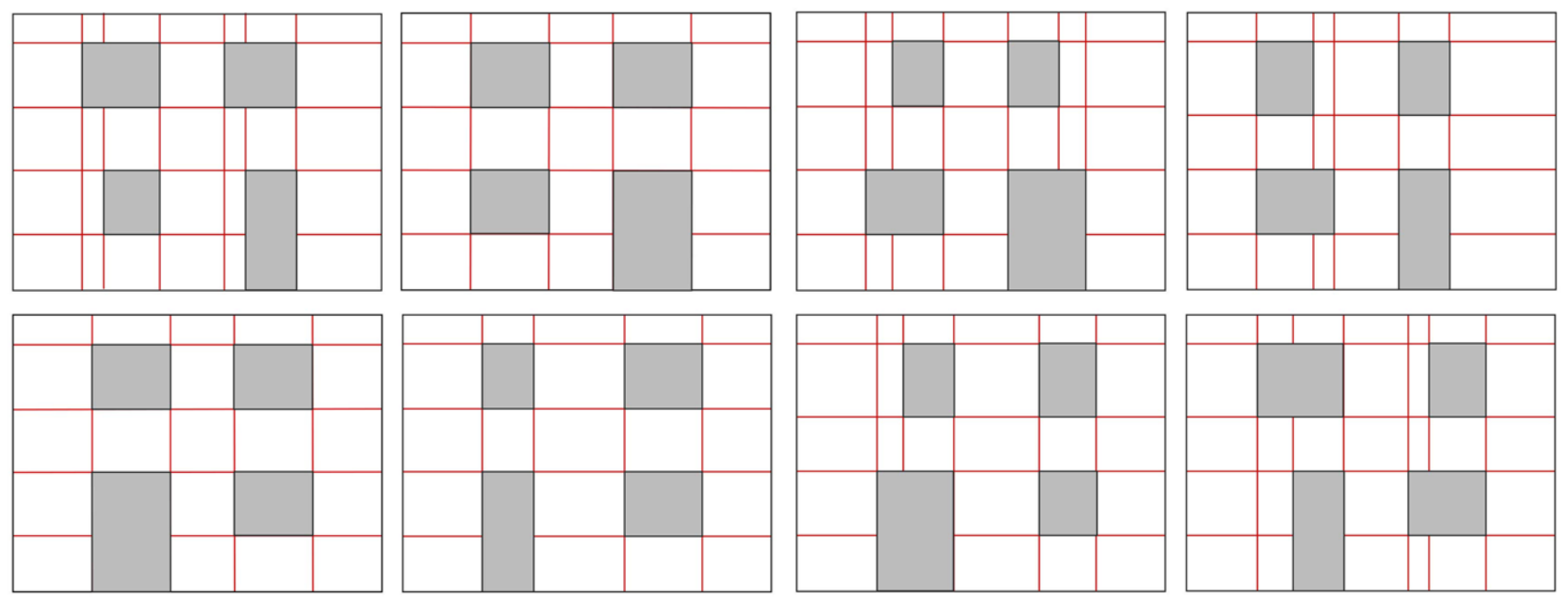
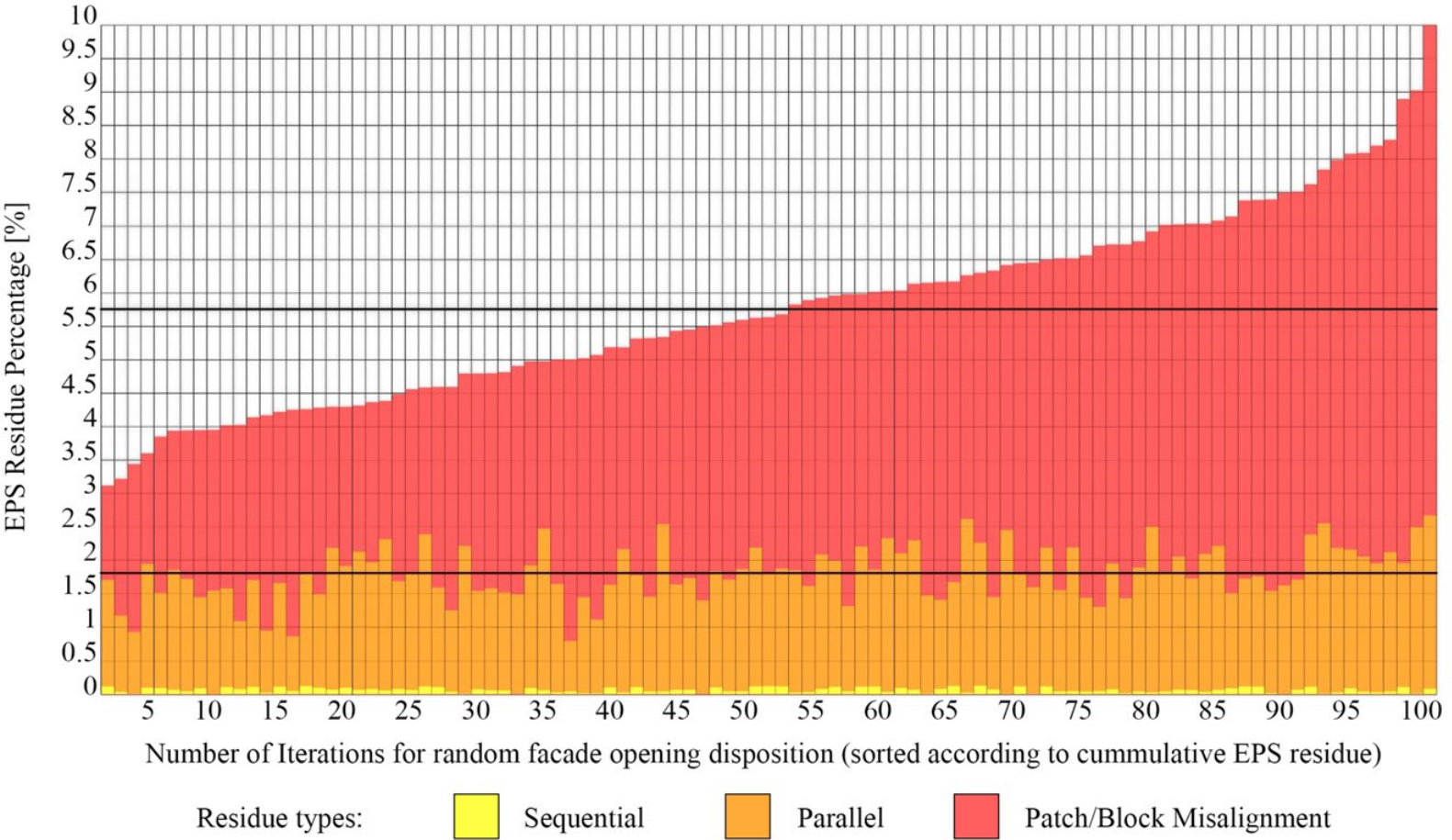
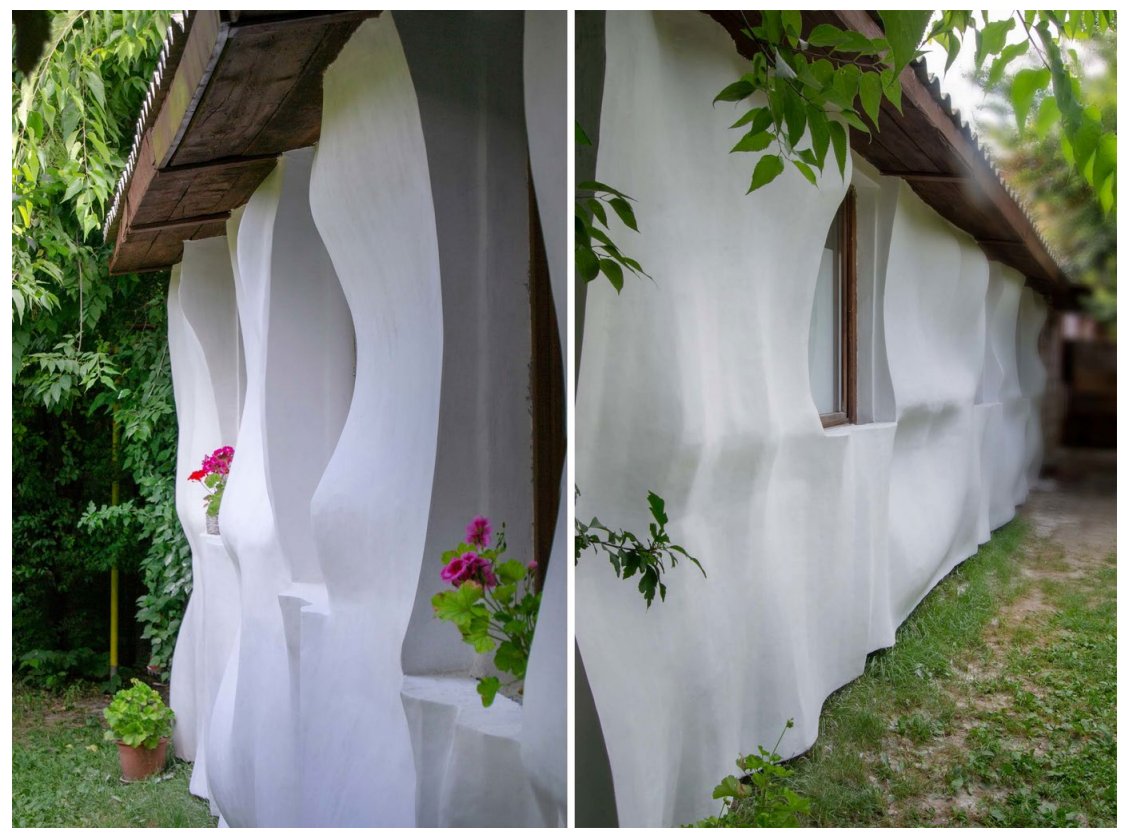
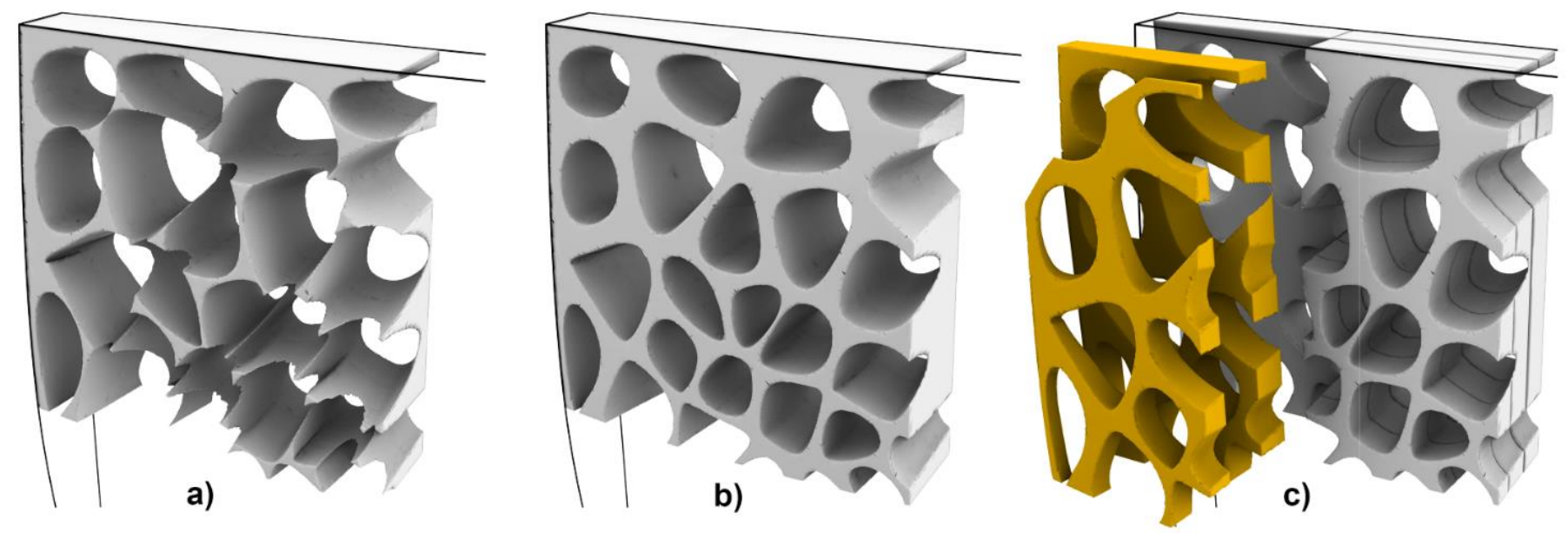
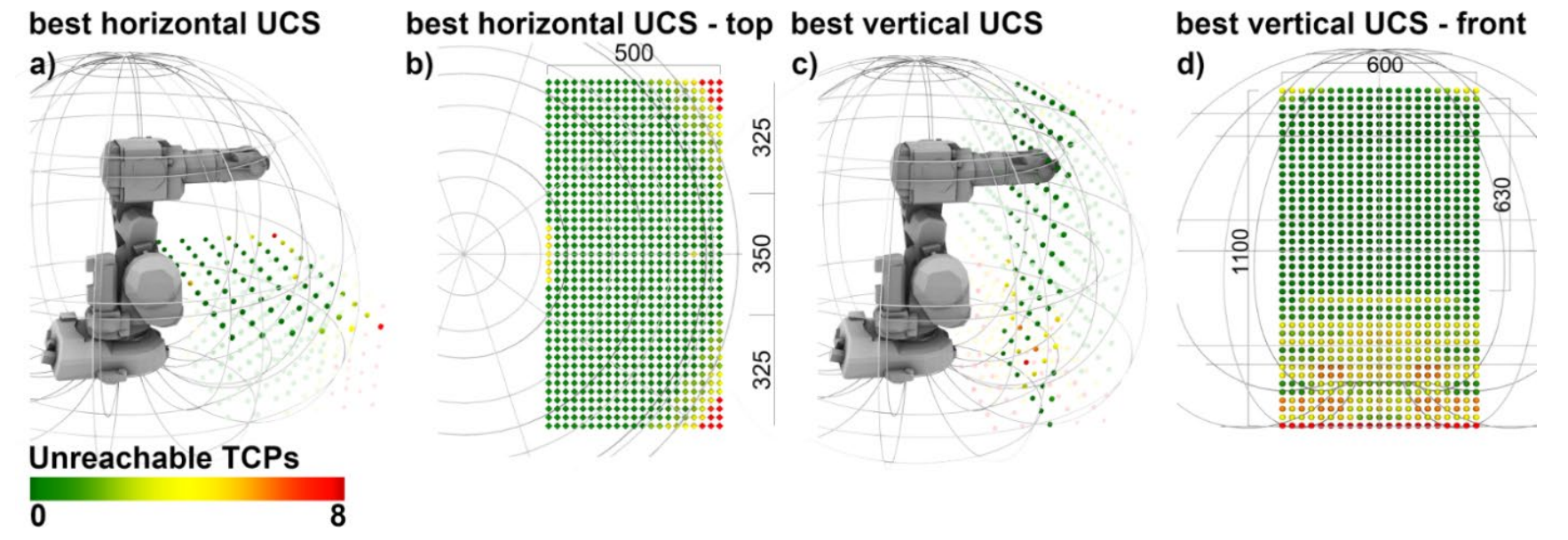
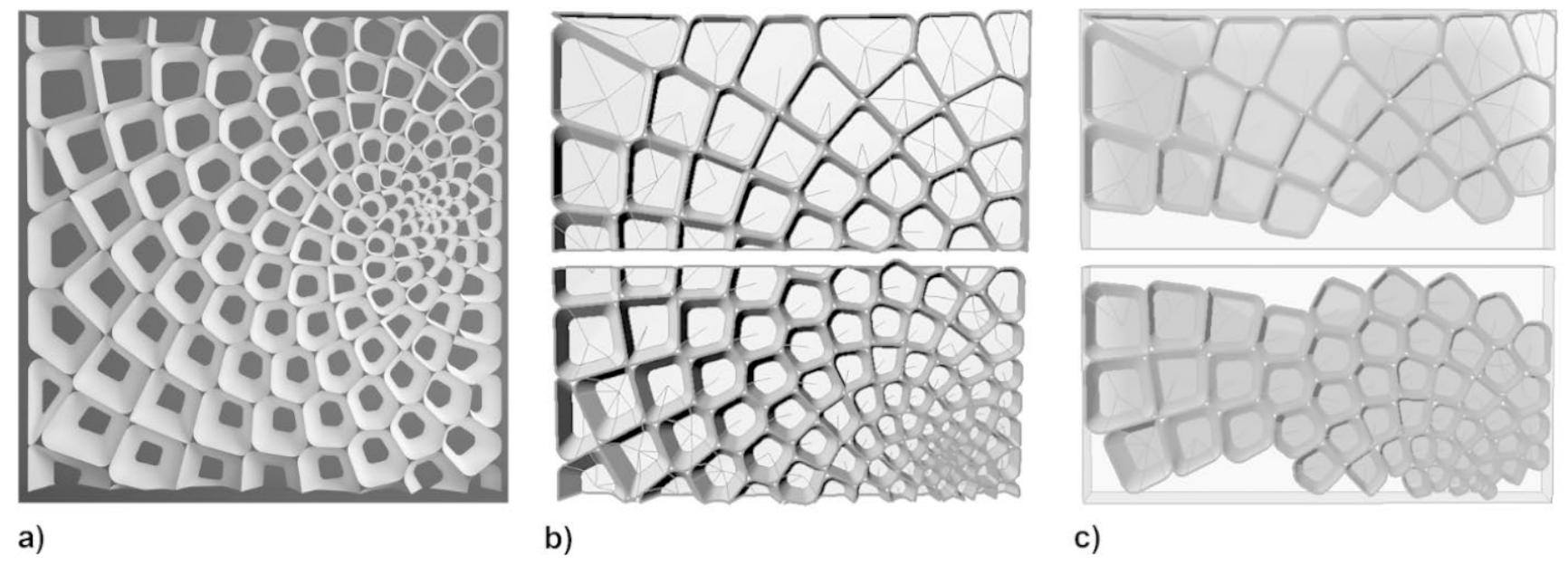
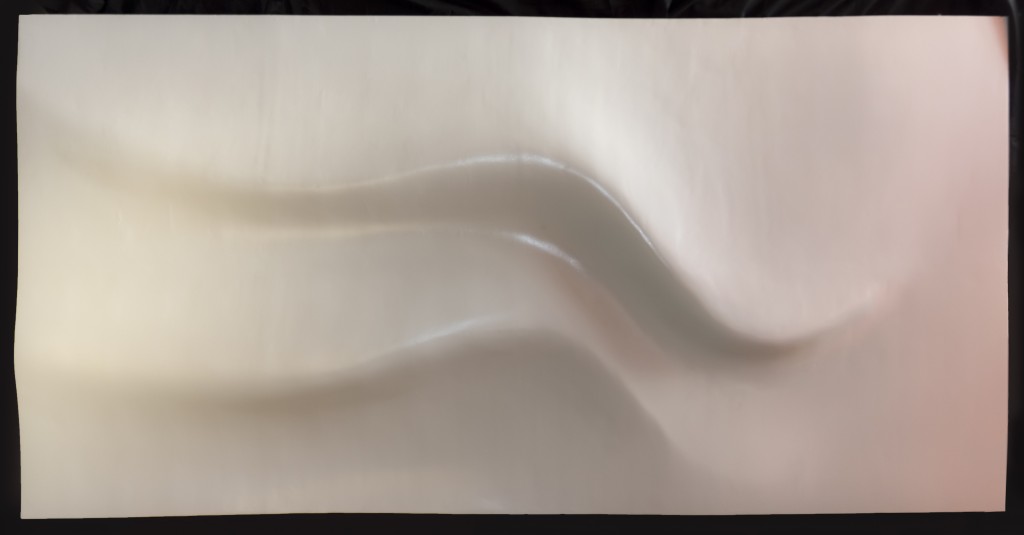
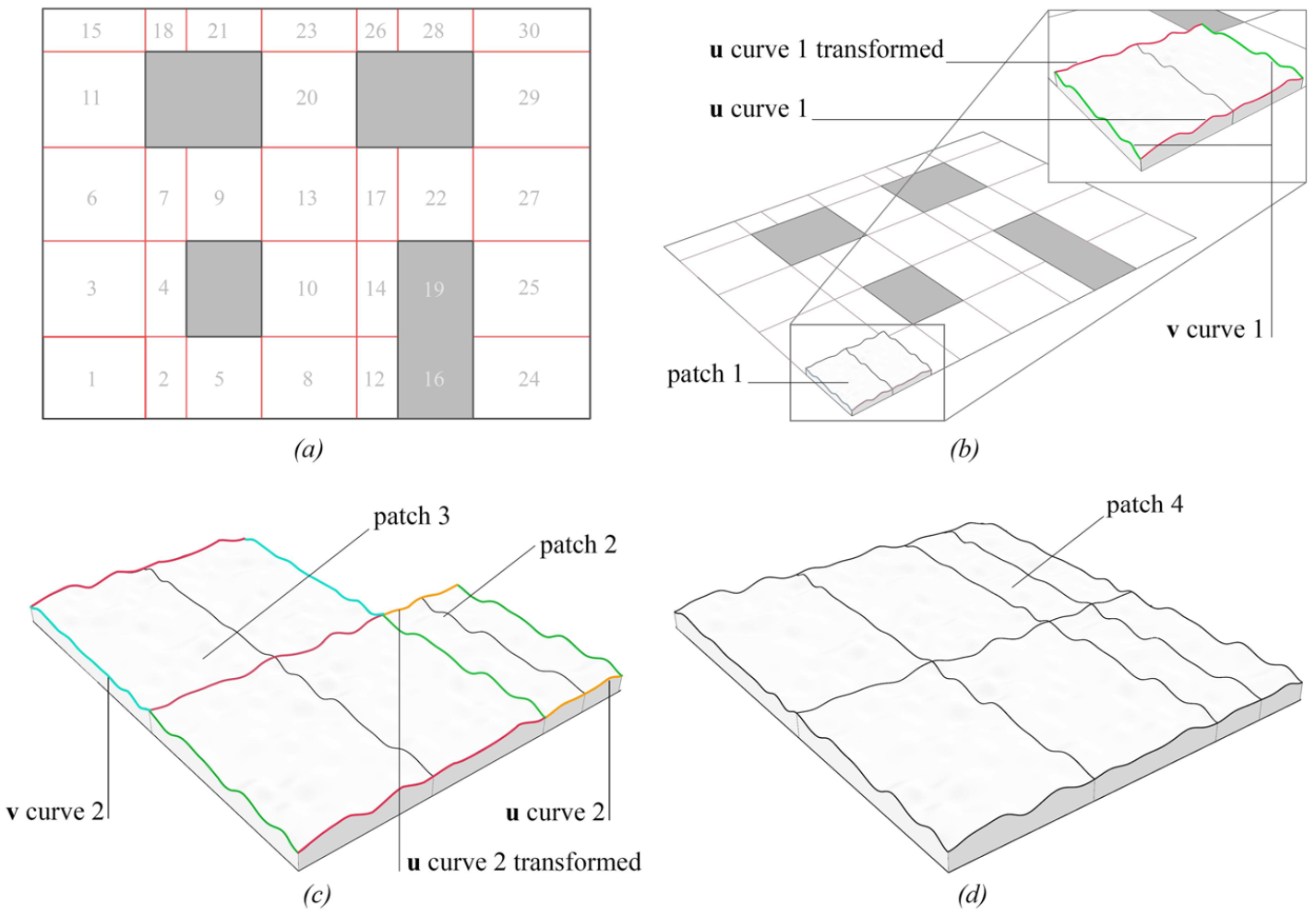
Abstract: The use of expanded polystyrene (EPS) in architectural facades offers versatility and efficiency, particularly for curved designs. However, integrating openings like windows poses challenges in material use and waste management. Previous research introduced a zero-waste manufacturing (ZWM) workflow utilizing robotic hot wire cutting to create doubly curved EPS facades without fenestration, avoiding waste. This study extends the ZWM approach by incorporating openings through segmented facade patches and advanced cutting strategies, maintaining residue below 2% of the total volume on average. The refined process balances material efficiency and design flexibility, contributing to sustainable practices in complex architectural forms.

Keywords: integrated design approach, digital fabrication, ZWM, expanded
polystyrene

Online version of the article: https://link.springer.com/article/10.1007/s00004-026-00869-9
Creating Terracotta Panels through Grayscale Image Processing and Robotic Hotwire Cut Molds

Jovanović, M., Vučić, M., Stojaković, V., Tepavčević, B. and Raković, M., 2024. Creating terracotta panels through grayscale image processing and robotic hotwire cut molds. Computers & Graphics119, p.103905.

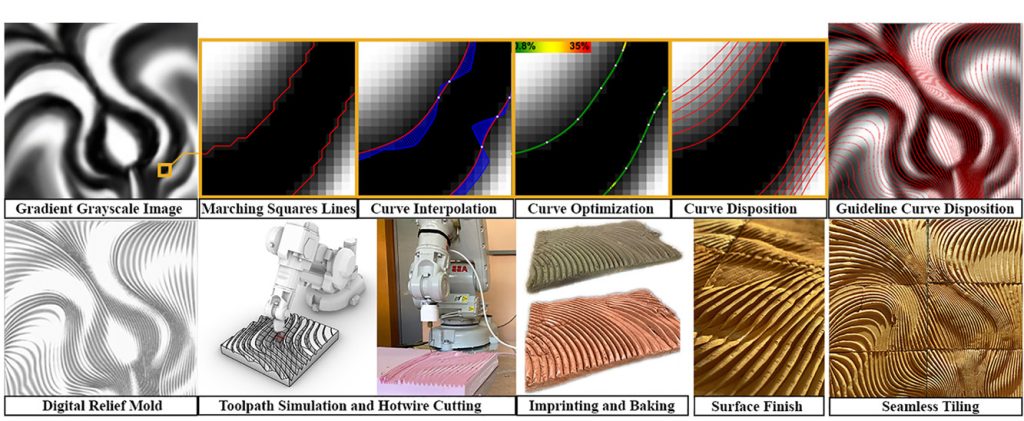
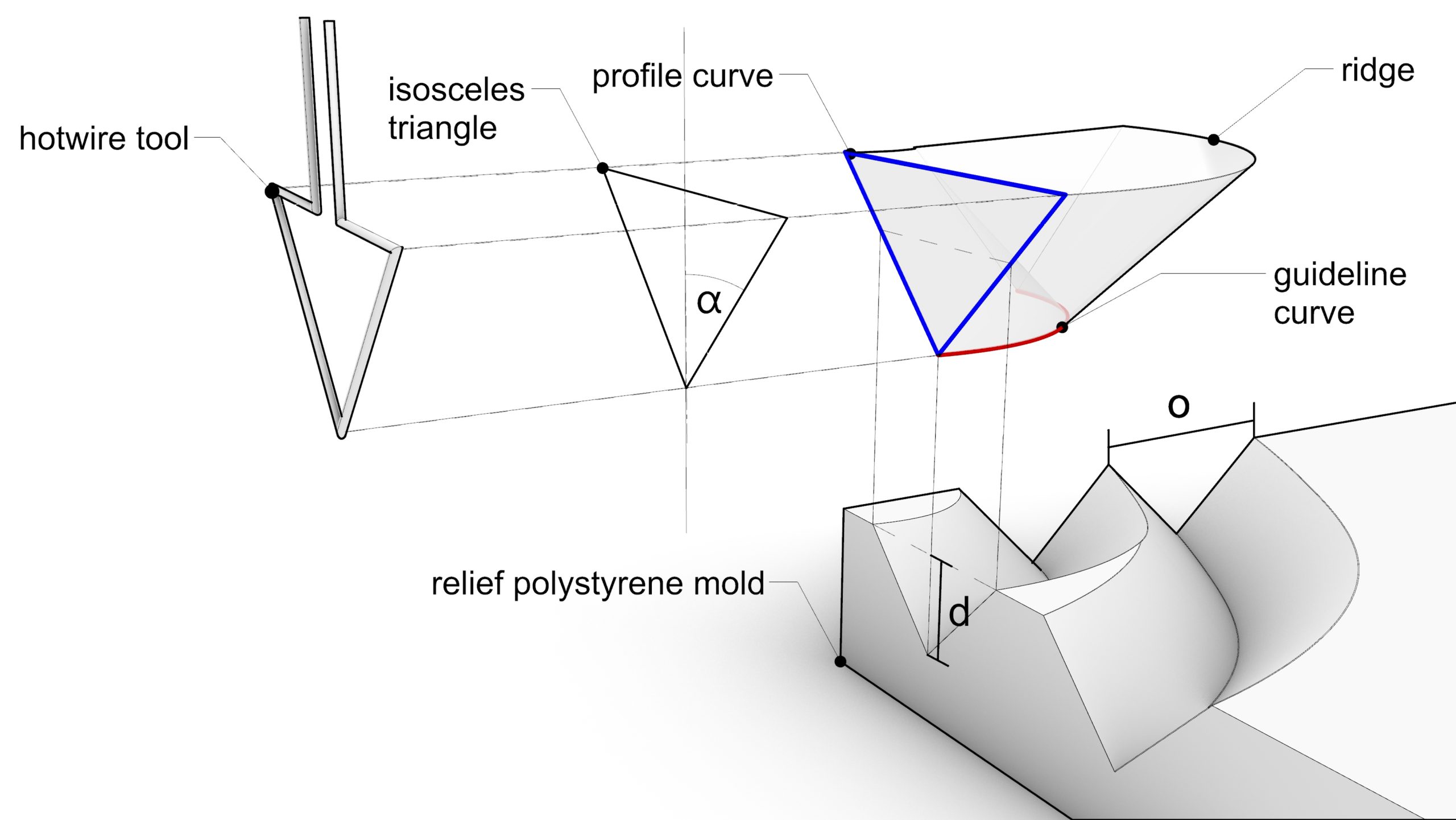
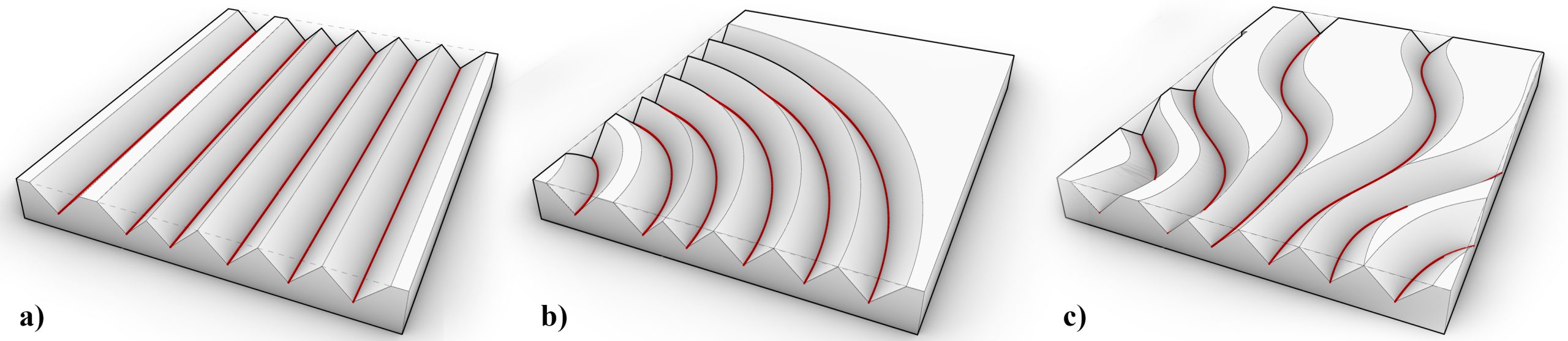
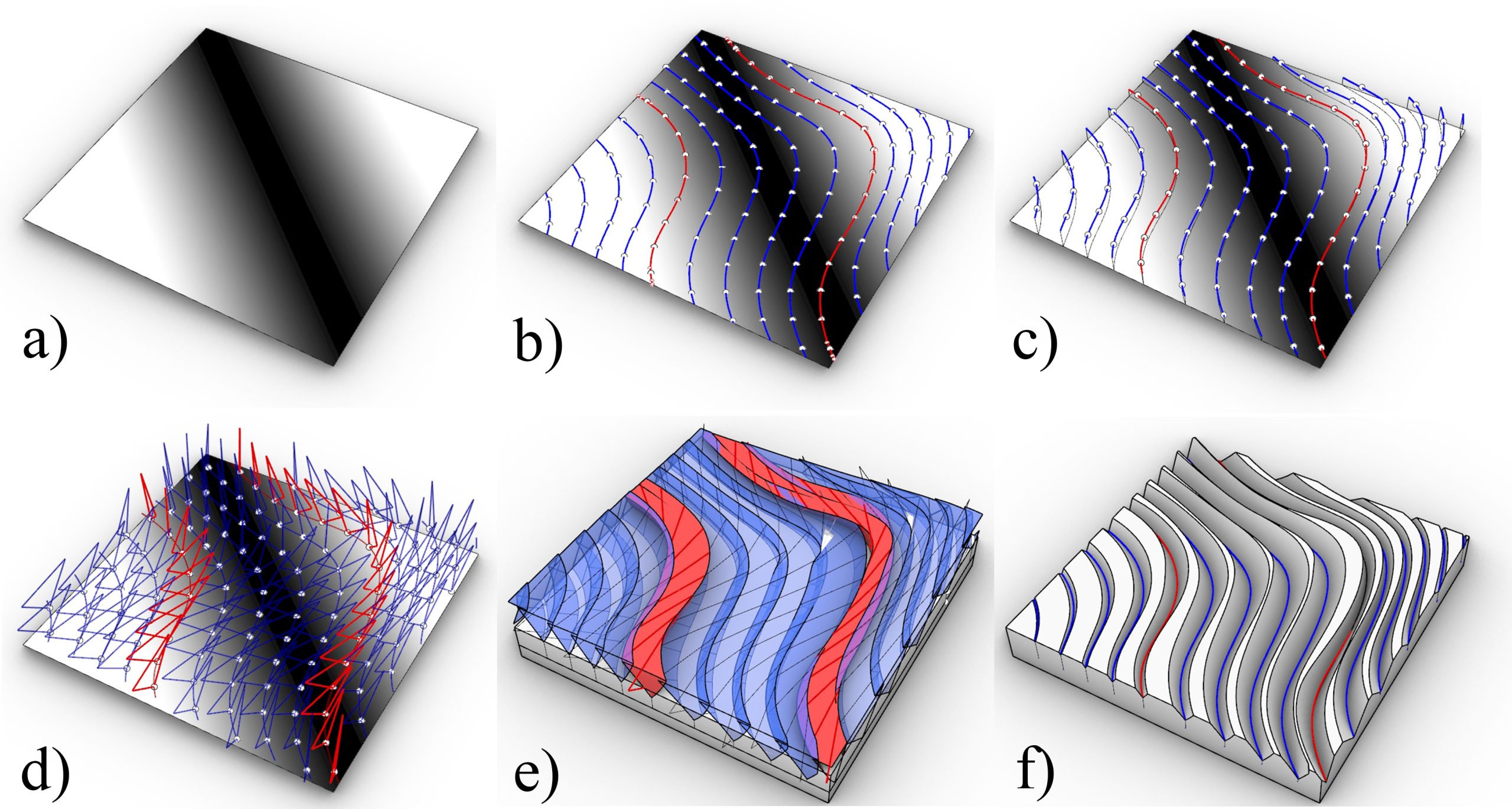
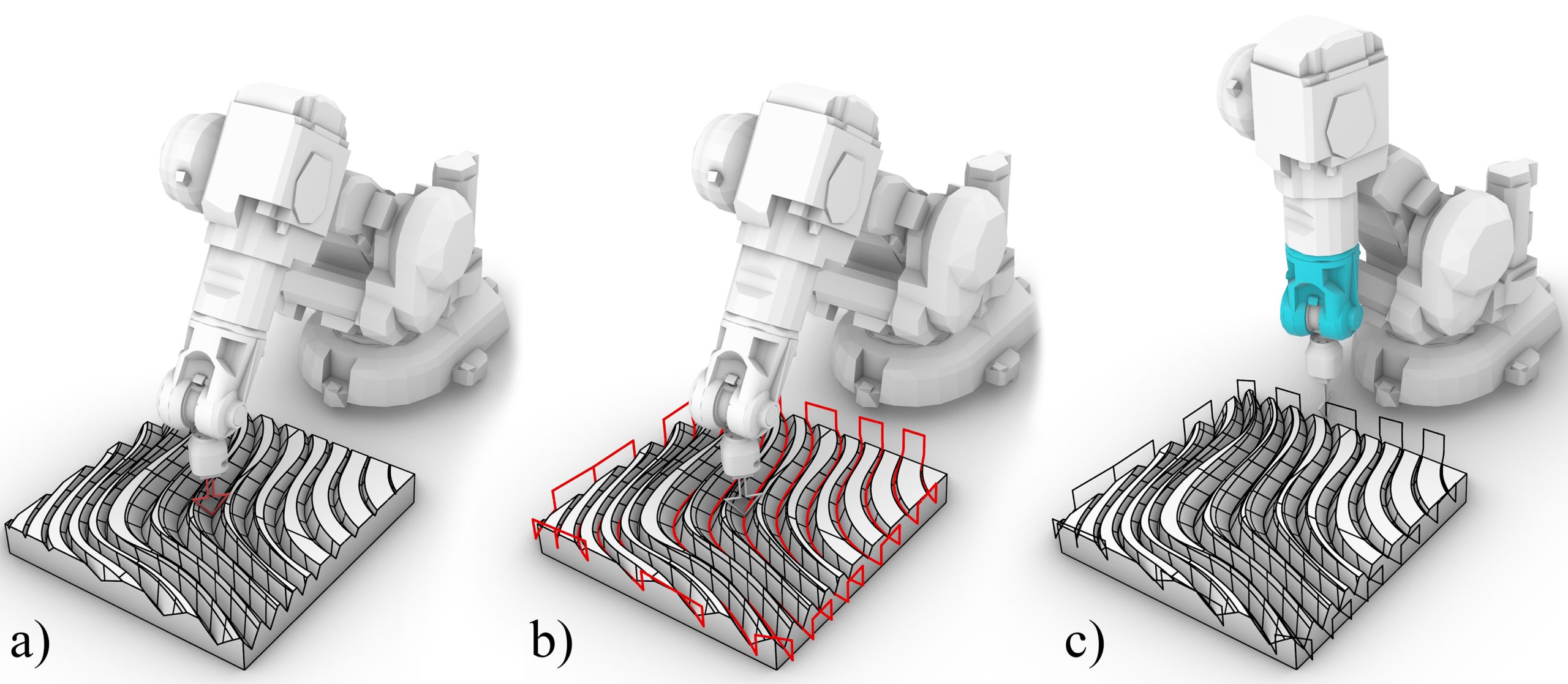
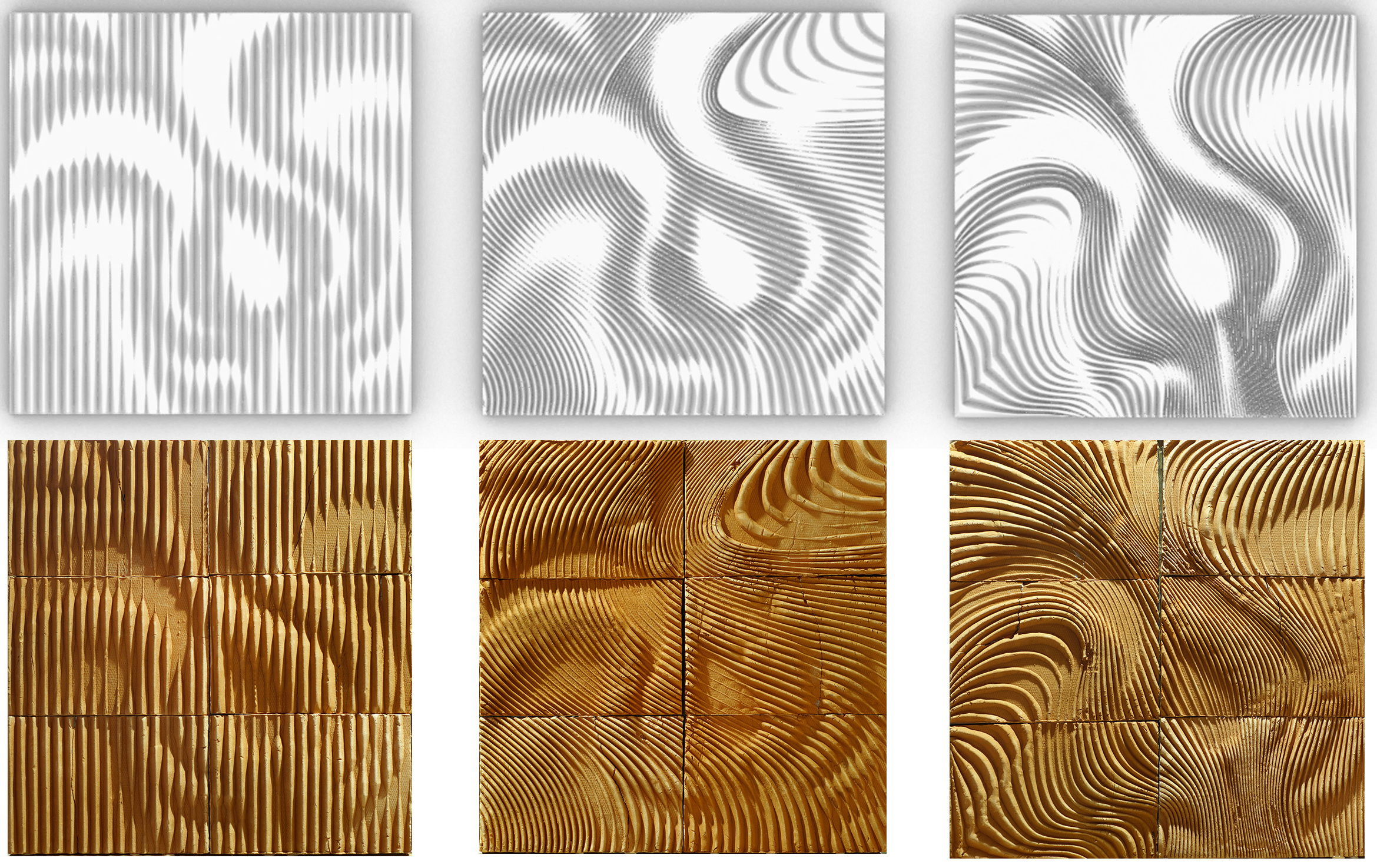
Abstract: This research presents a method for fabricating relief terracotta panels, utilizing polystyrene molds shaped by robotic hotwire cutting. A crucial aspect of this work is the use of grayscale images as input for generating toolpaths for hotwire cutting, bridging the gap between digital image processing in computer graphics and the physical creation of architectural elements. The process integrates computational tools with fabrication constraints and material properties to generate an integrated design approach. Utilizing computational tools, we generate toolpaths that translate grayscale images into tangible tile patterns. These patterns are formed by ridges, designed to accurately depict the grayscale images while ensuring functional tiling. The methodology synergizes traditional clay handling techniques with digital modeling, providing crucial data for material handling during drying and baking stages. The research presents a significant contribution to the realm of architectural design and computer graphics. It demonstrates the potential of image processing techniques in conjunction with robotic fabrication for creating built environments. The final tiles’ appearance, evaluated using the peak signal-to-noise ratio (PSNR), exhibits values between 20 dB and 30 dB, aligning within the realms of acceptable image resemblance according to established image compression standards.

Keywords: digital ceramics, clay, hotwire cutting, molds, image interpretation, ridges

Online version of the article: Creating Terracotta Panels through Grayscale Image Processing and Robotic Hotwire Cut Molds

Fabricating Porous Structures using Robotic Hotwire Cutting

Vučić, M., Jovanović, M. and Raković, M., 2023. Fabricating porous structures using robotic hotwire cutting. Nexus Network Journal25(4), pp.849-866.

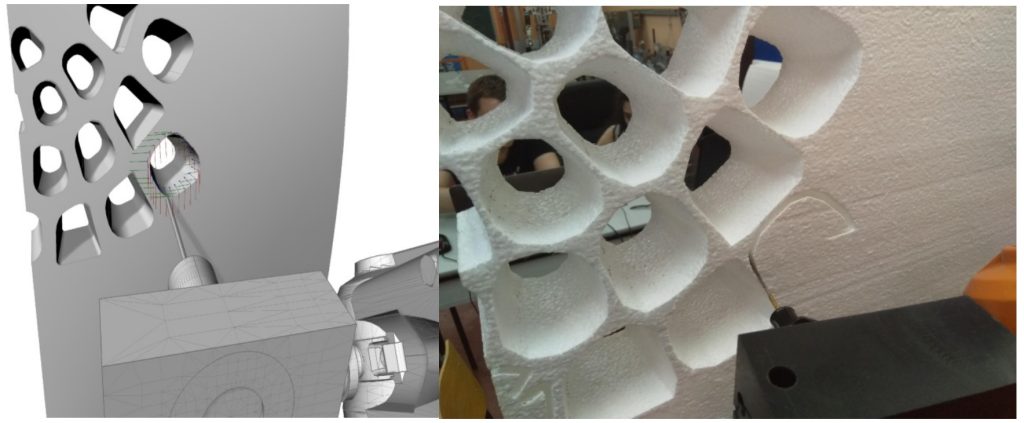
Abstract: With an increasing interest in fabricating complex structures in architectural design,
the concept of porosity has become a vital topic, opening up new avenues for tectonic
thinking and functional demands in architecture. Porous structures typically
consist of minute interstices or modular structural grids that allow fluids to pass
through and are typically present on a micro scale. By adopting a biomimetic approach,
which moves from the micro to the macro scale, the application of digital
tools has enabled the design of functional building elements. For example, the 30 St
Mary Axe tower by Foster and Partners imitates the shape and porosity of a Venus
Flower Basket Sponge, resulting in enhanced endurance capabilities. Furthermore,
porous structures can improve the building’s thermal, light, and air circulation conditions.
However, porous structures have a highly complex topology that poses a
challenge for the fabrication process, and is primarily limited to 3D printing and
CNC milling manufacturing approaches, with the addition of casting and chemical
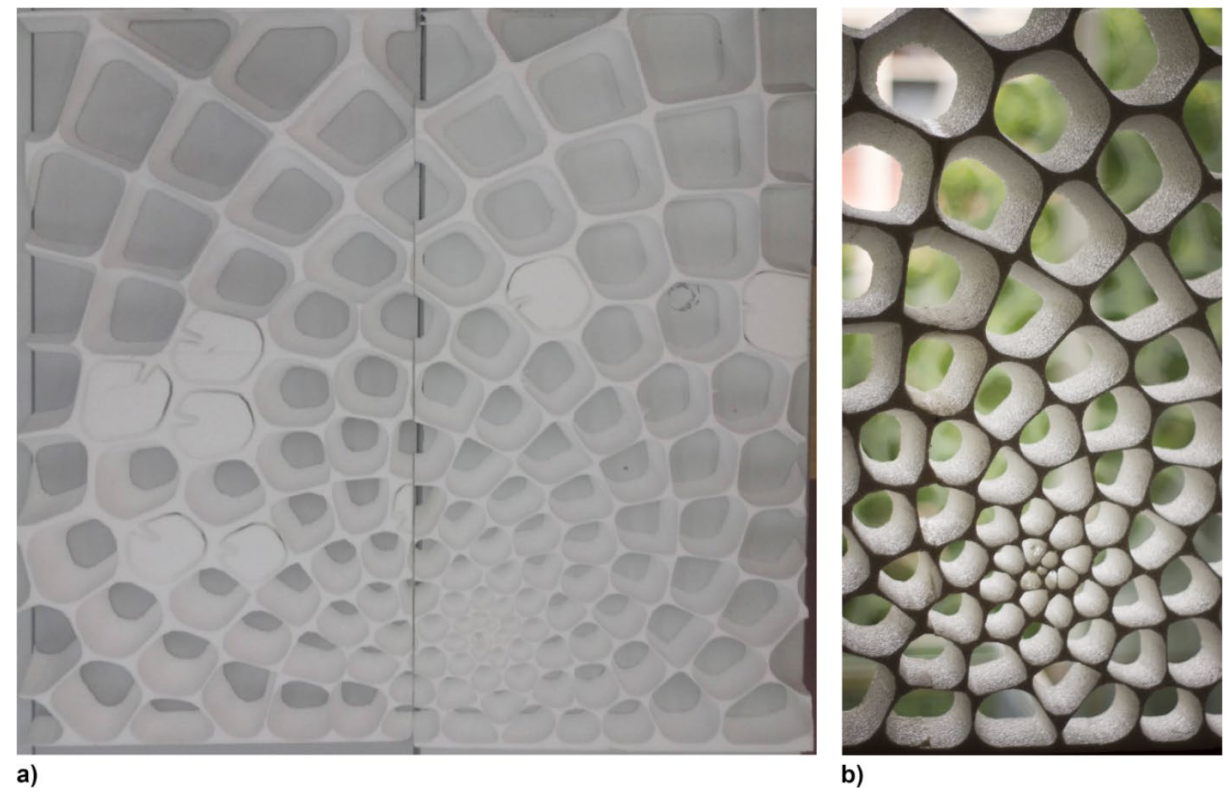
processes depending on the material. In this research, we propose a novel design
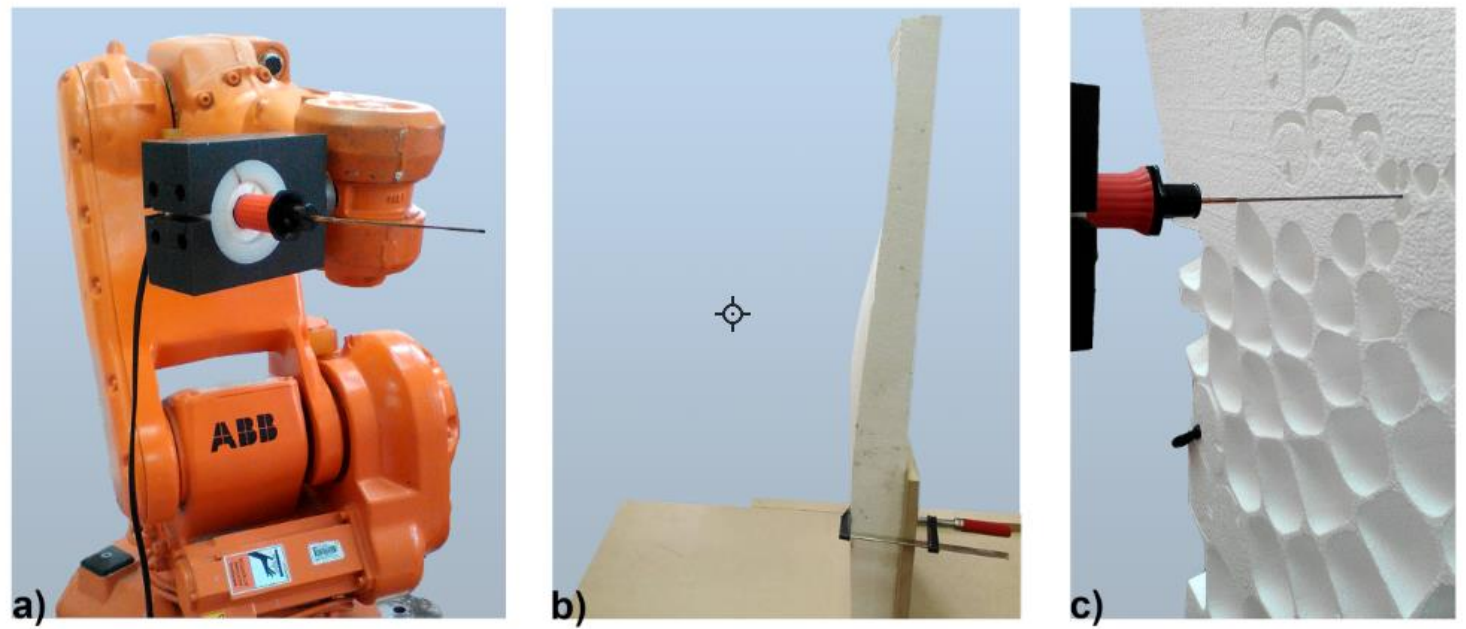
and manufacturing approach for porous structure fabrication that uses a hot knife
tool with an industrial robot to cut expanded polystyrene materials. This approach
offers a faster and more efficient way to fabricate porous structures than additive
or milling techniques, with an integrated design approach that enables a range of
design scenarios to be explored. Additionally, our method provides hands-on experience
and practical testing of a large-scale prototype.

Keywords: hot knife tool, porous structures, robotic fabrication, computational design, EPS foam

Online version of the article: Fabricating Porous Structures using Robotic Hotwire Cutting

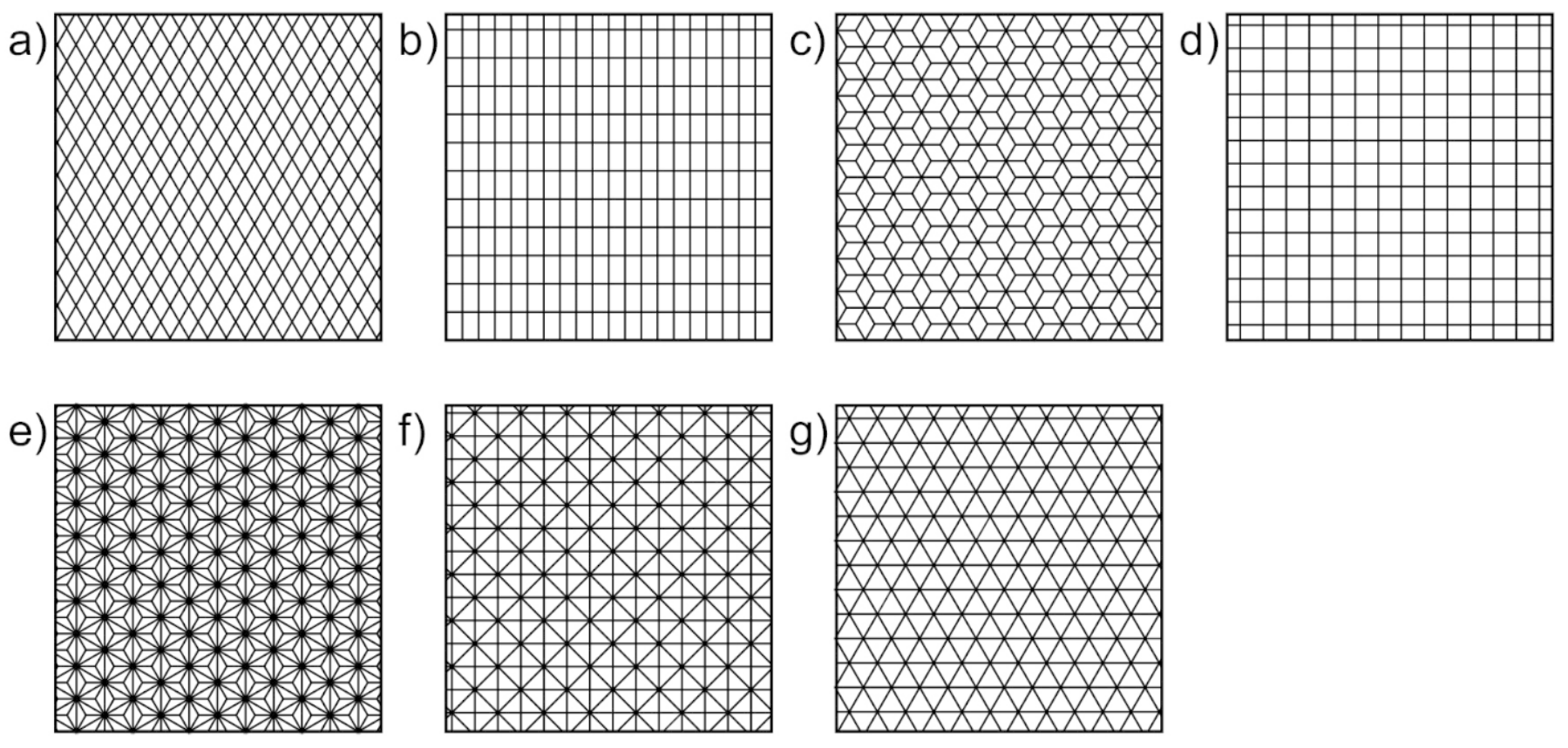
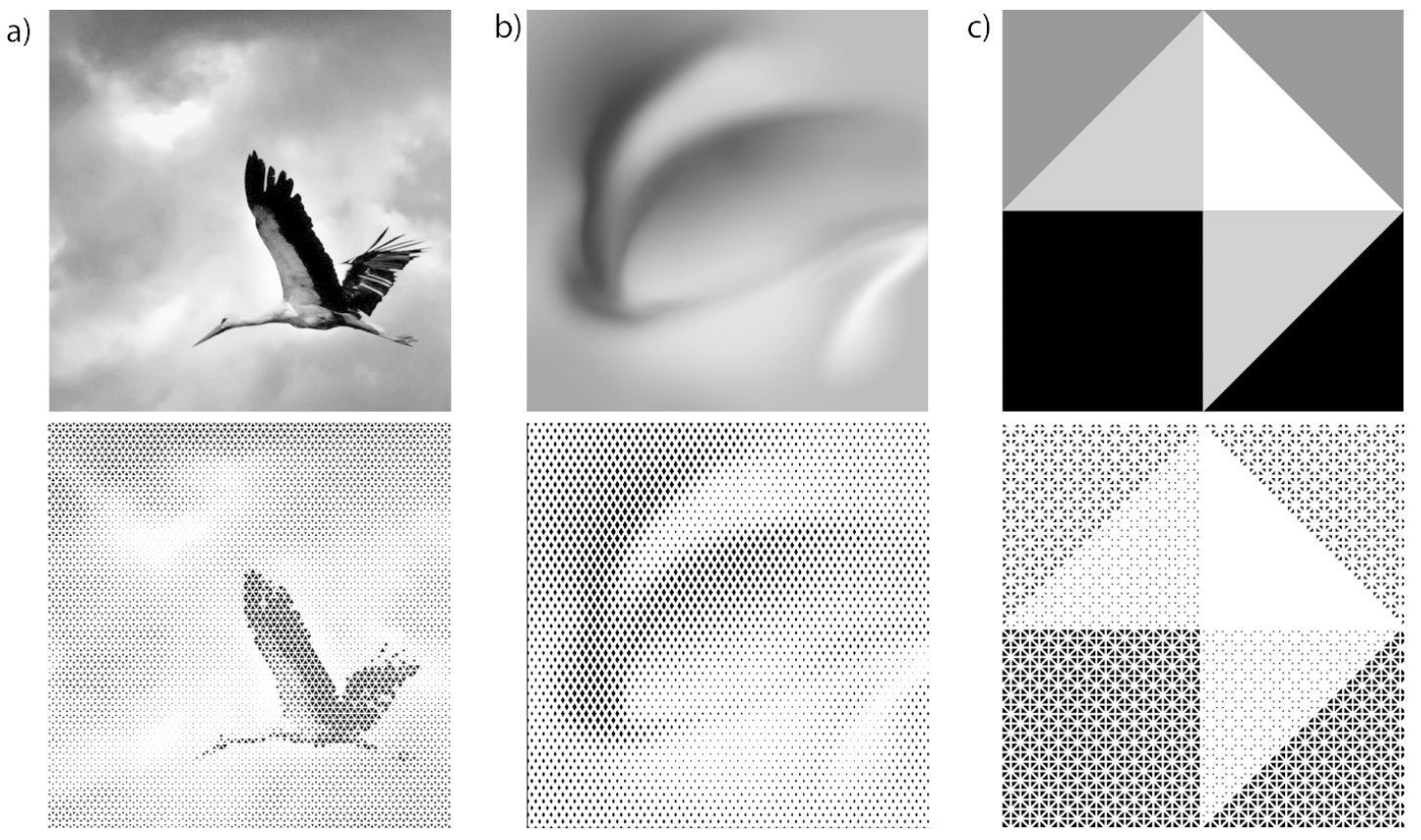
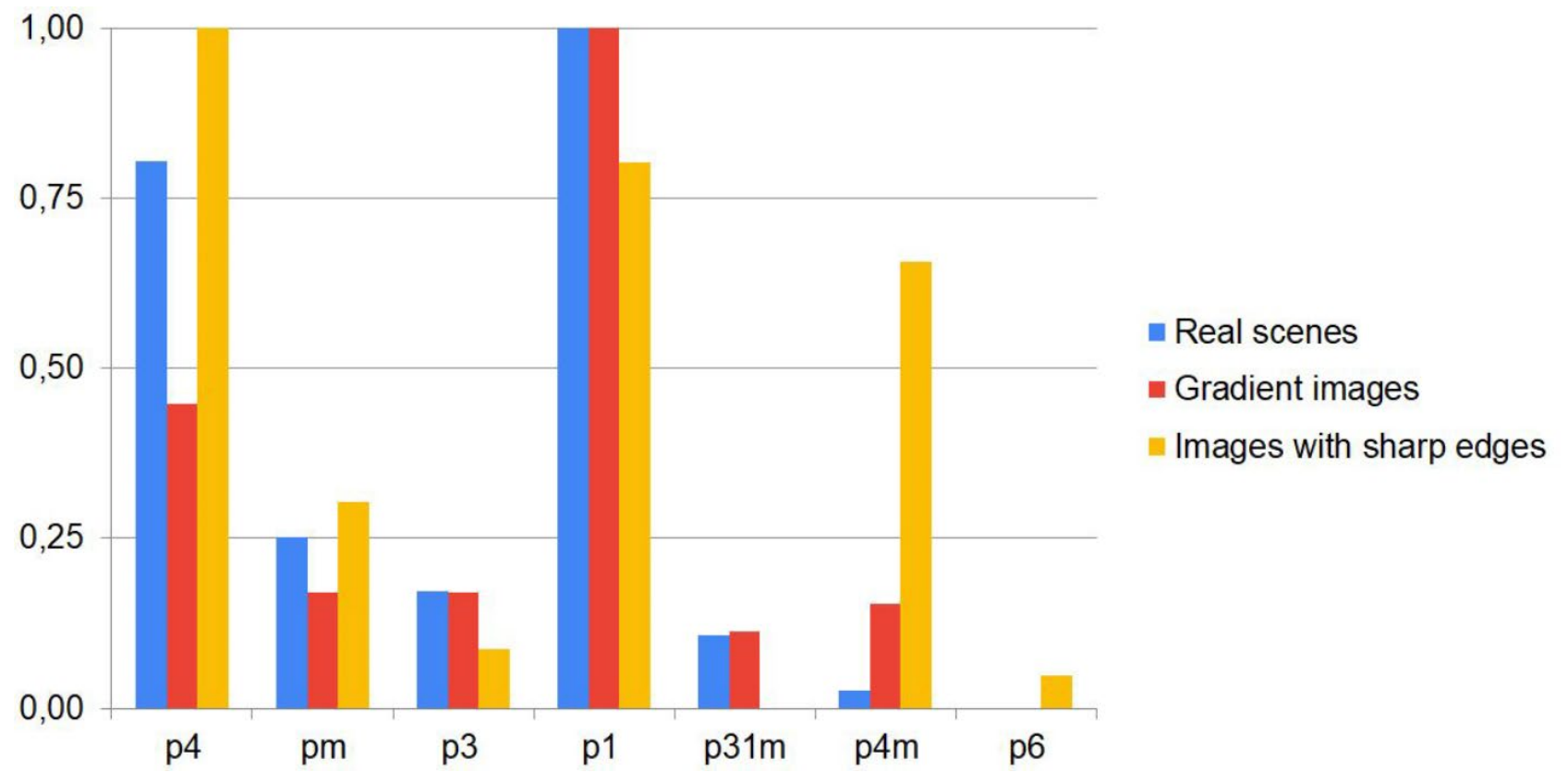
Symmetry Group Effect on Perforated Image Perception

Stojaković, V., Bajić, B., Tepavčević, B. and Jovanović, M., 2023. Symmetry group effect on perforated image perception. Nexus Network Journal25(Suppl 1), pp.55-62.

Abstract: This research investigates how different symmetry group patterns influence the perception
of an image interpreted by perforation of a planar material. To evaluate
perception of perforated image, digital image processing tools (quantitative evaluation)
and experts’ opinion (qualitative evaluation) are applied with both results
approaches summarized.

Keywords: Symmetry groups, Geometry, Patterns, Computer science, Design
analysis

Online version of the article: Symmetry Group Effect on Perforated Image Perception

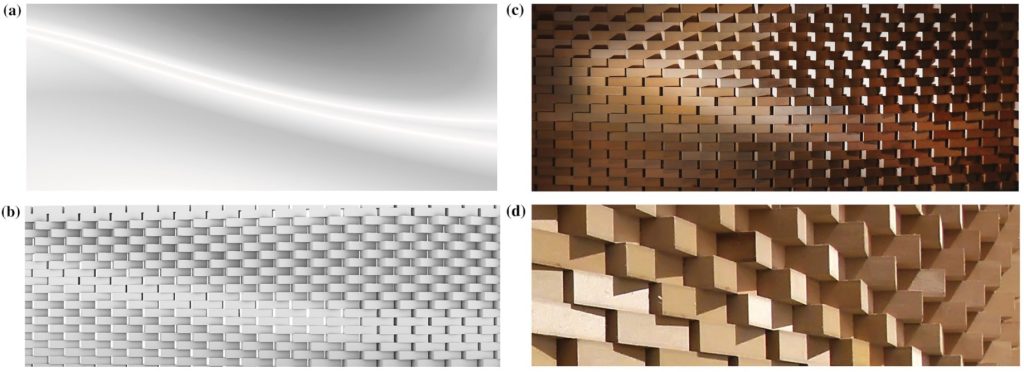
Surface Patterns in Architecture Driven by Image Sampling and Robotic Fabrication

Tepavčević, B., Stojaković, V., Jovanović, M. and Raković, M., 2023. Surface patterns in architecture driven by image sampling and robotic fabrication. Nexus Network Journal25(4), pp.887-902.

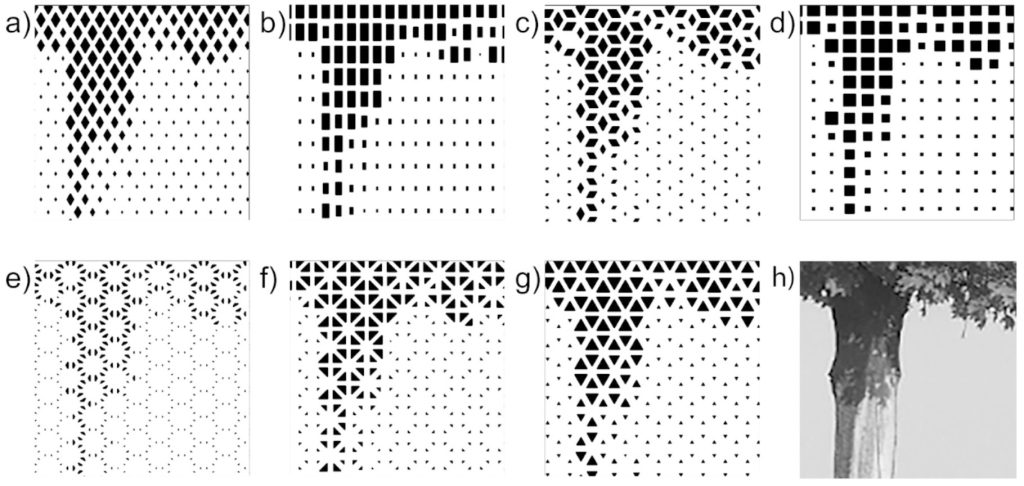
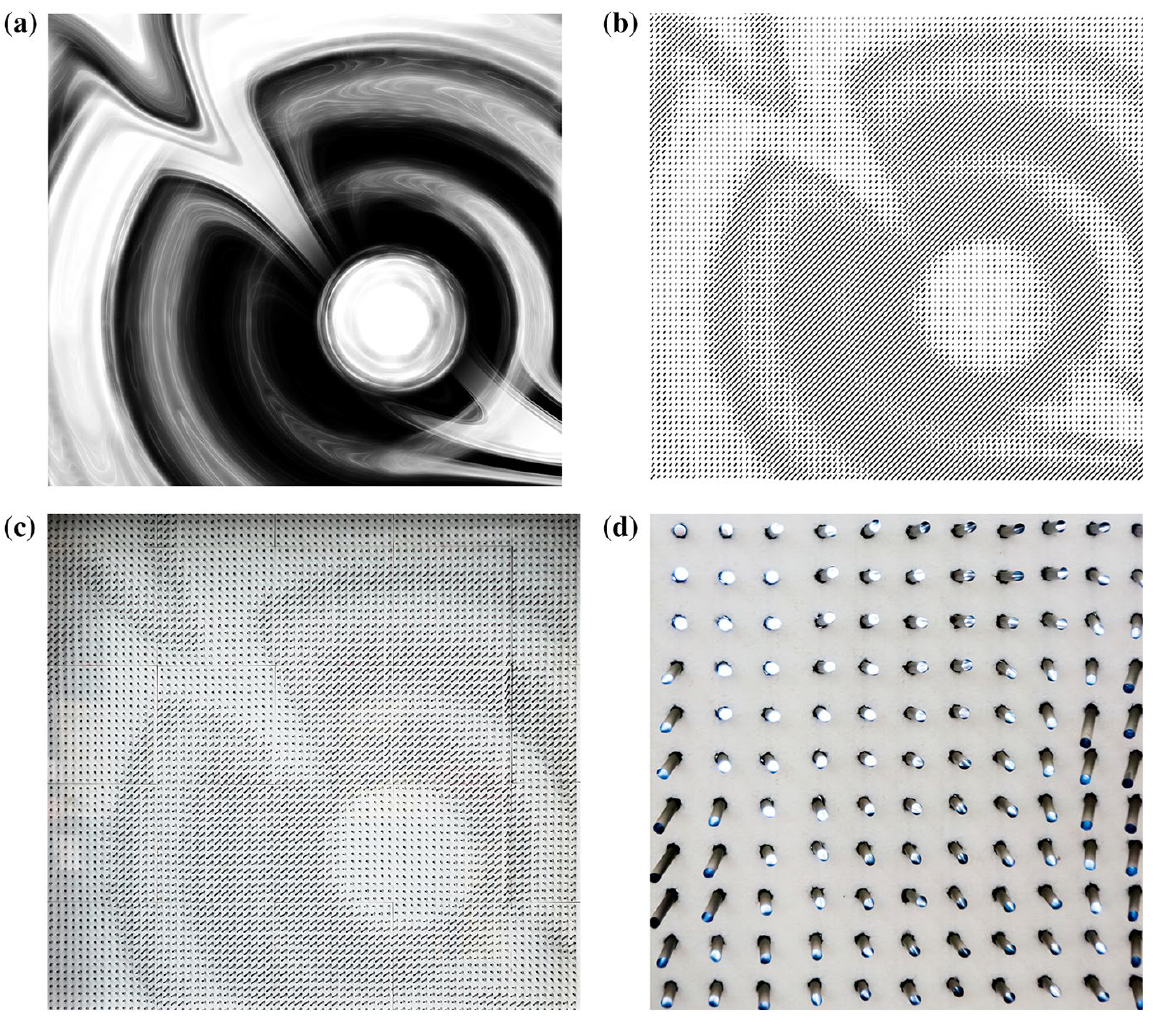
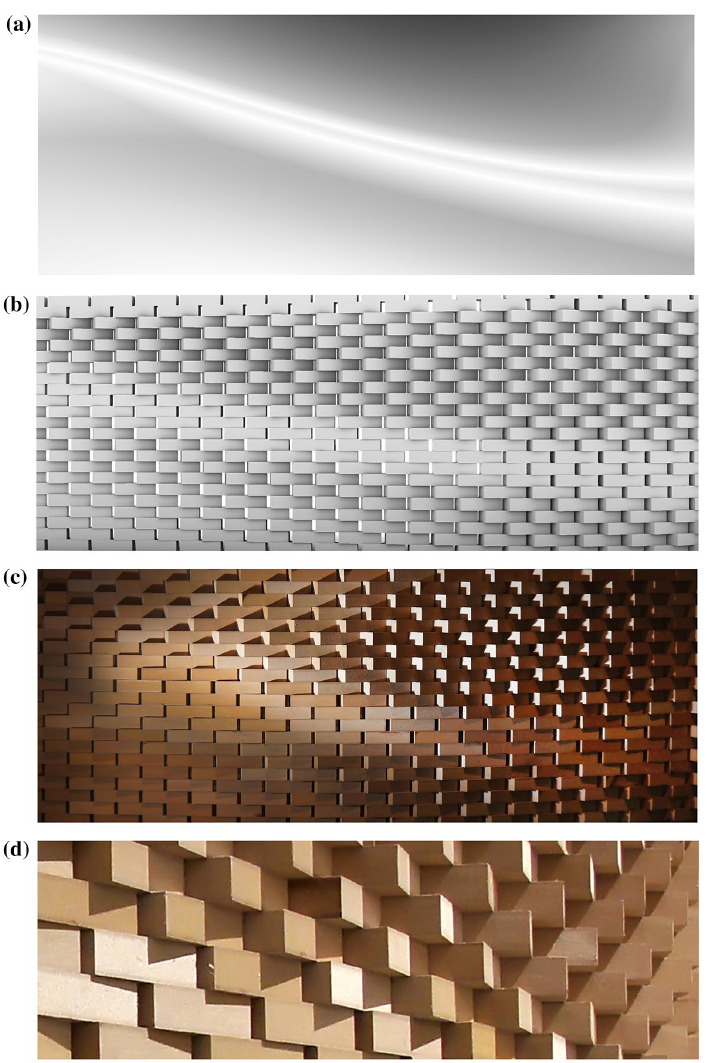
Abstract: Design and artwork driven by image sampling processing has a half-century
tradition in contemporary art and computer graphics. In the past two decades, a
similar approach has been used for the fabrication of abstract surface patterns for
building facades. Recent advances in digital manufacturing based on industrial
robots have reignited the interest toward developing new design-to-fabrication
techniques which can possess intriguing visual and tectonic properties of the
facades, based on image sampling processing and abstract image representation. The
aim of the paper is to investigate the different strategies for creating surface patterns,
based on image sampling and applying industrial robots as fabrication tools. In this
paper, three different robotic fabrication strategies for generating surface patterns
driven by image sampling are presented.

Keywords: image sampling, design patterns, computational design, robotic
fabrication

Online version of the article: Surface Patterns in Architecture Driven by Image Sampling and Robotic Fabrication

Design Guidelines for Zero Waste Manufacturing of Freeform EPS Facades

Jovanović M., Vučić M., Tepavčević B., Štulić R., Petrović M. (2019) Design Guidelines for Zero Waste Manufacturing of Freeform EPS Facades. In: eCAADe 37 / SIGraDi 23 – Matter – FABRICATION AND CONSTRUCTION 2 – Volume 2
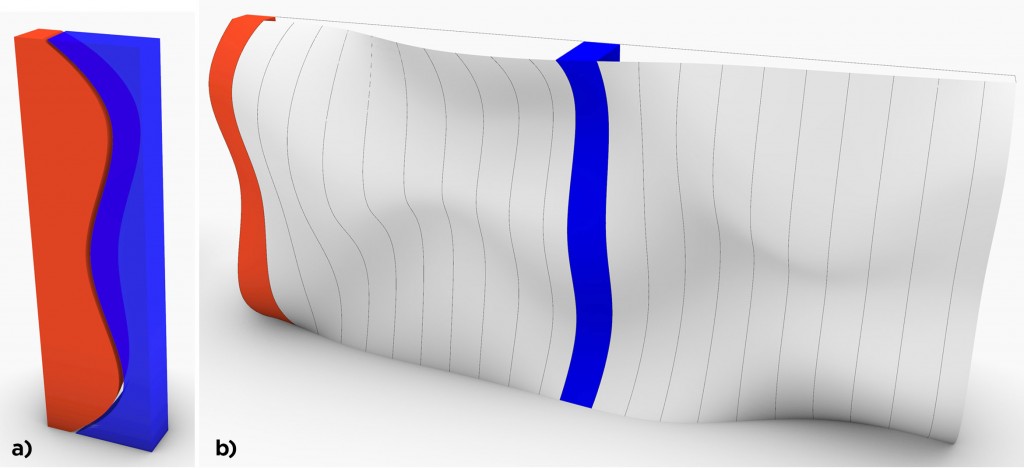
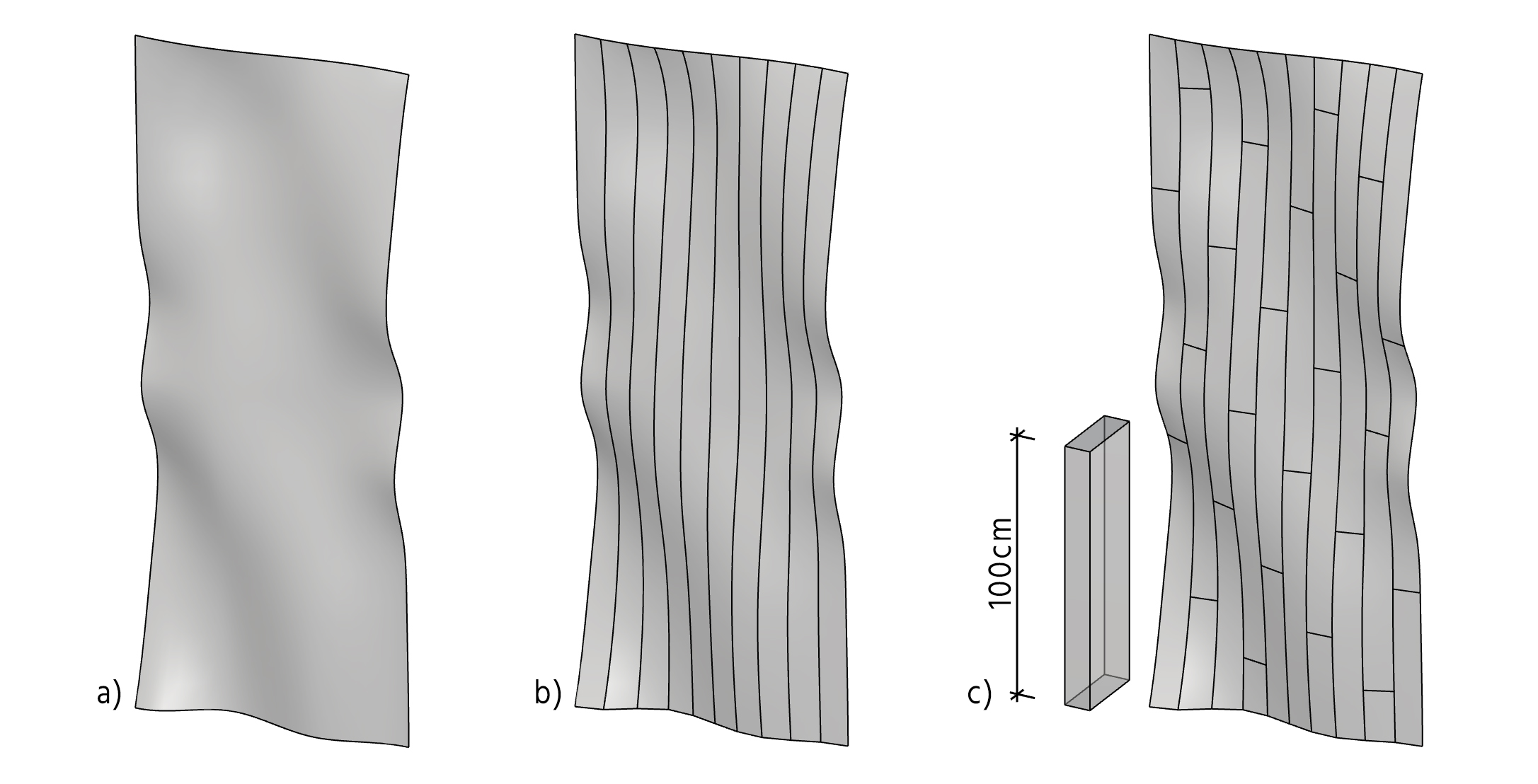
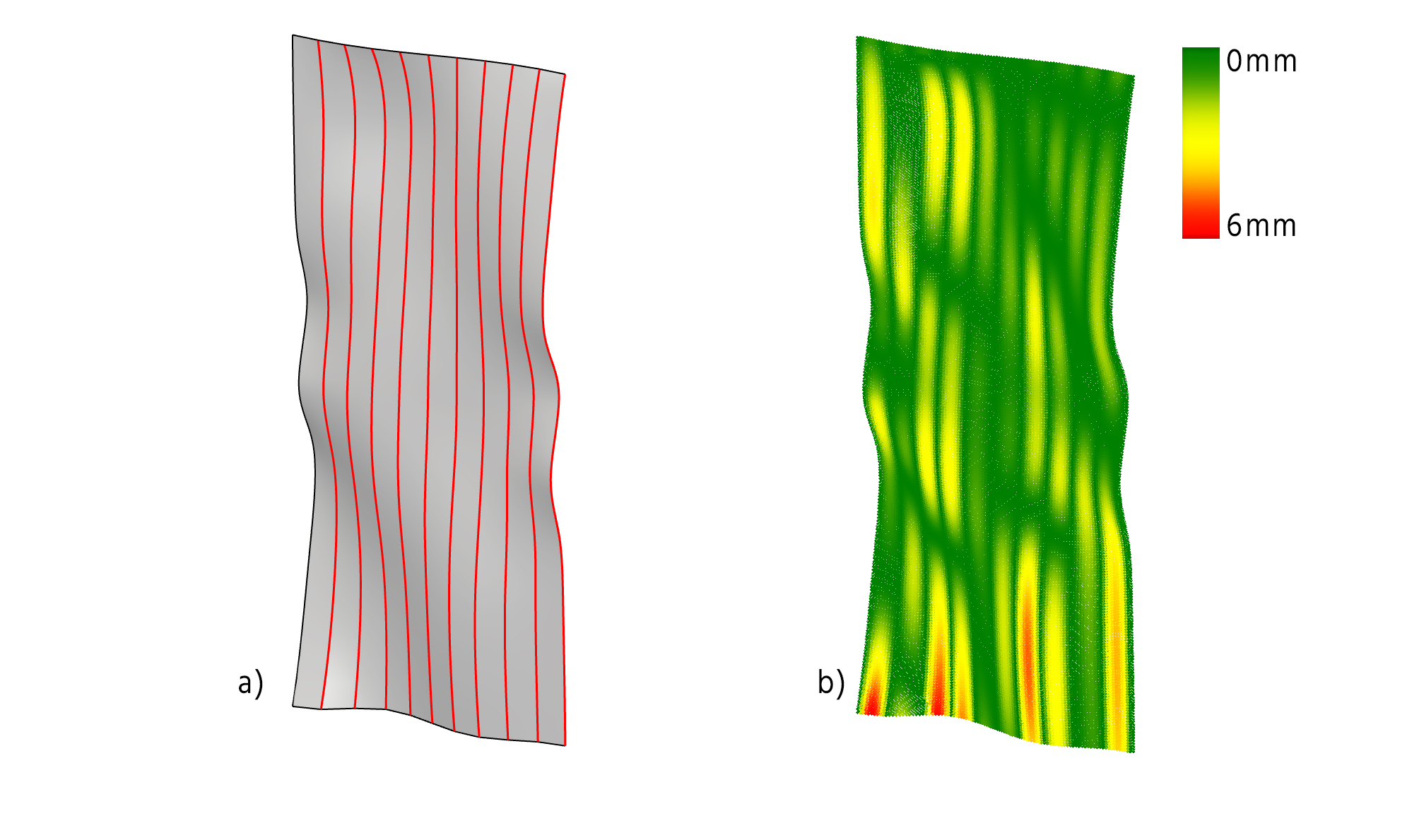
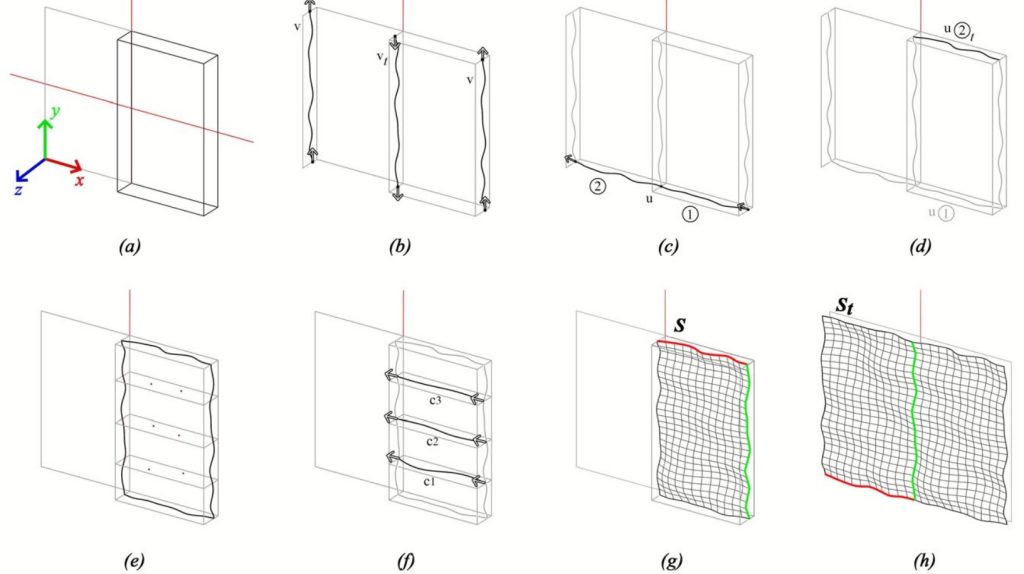
Abstract: The application of curved facade designs in contemporary architectural practice has become adamant in combining the digital tools with the material properties. By expanding the focus to manufacturing as well, the topic of waste is introduced. In order to avoid the generation of waste material during fabrication, in this research a workflow is introduced which describes the design of freeform surfaces out of expanded polystyrene blocks (EPS), while producing zero waste. The main premise is that a piece cut out of an EPS block has a piece that is left inside the block, its complement. Following the premise, it is only necessary to design one half of the freeform surface over a desired facade area and the other part would align to it. After the freeform surface is generated, a tessellation process is described, prepared for robotic hotwire cutting, following the limitation of the EPS block dimension and the inclusion of the minimal insulating layer
Keywords: freeform surface, ruled surface approximation, minimal insulating layer, complements

slika 2slika3 slika6slika4

Robotic Knitting in String Art as a Tool for Creative Design Processes

Jovanović M., Vučić M., Tepavčević B., Raković M., Tasevski J. (2020) Robotic Knitting in String Art as a Tool for Creative Design Processes. In: Berns K., Görges D. (eds) Advances in Service and Industrial Robotics. RAAD 2019. Advances in Intelligent Systems and Computing, vol 980. Springer, Cham
DOI 10.1007/978-3-030-19648-6_21
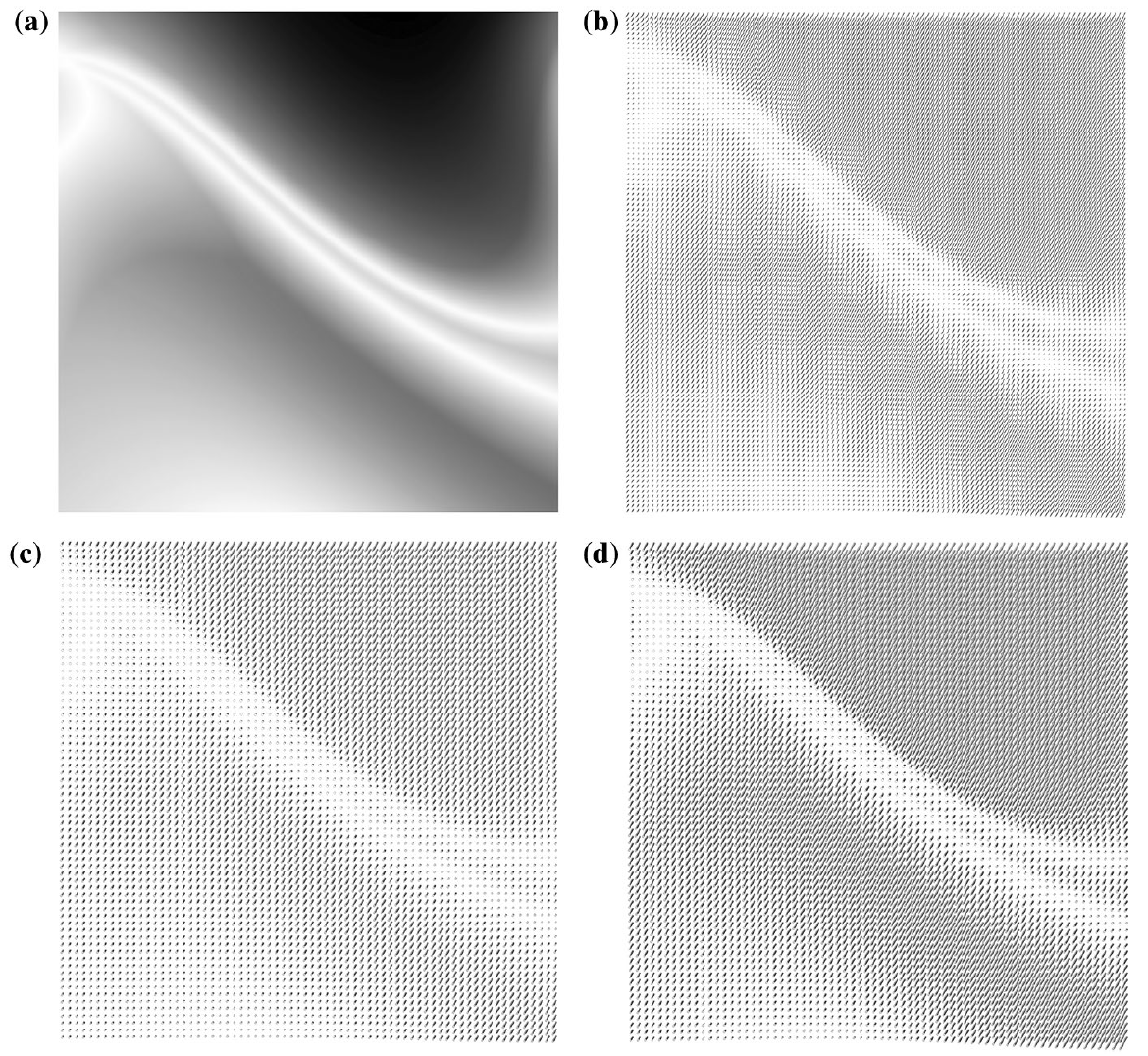
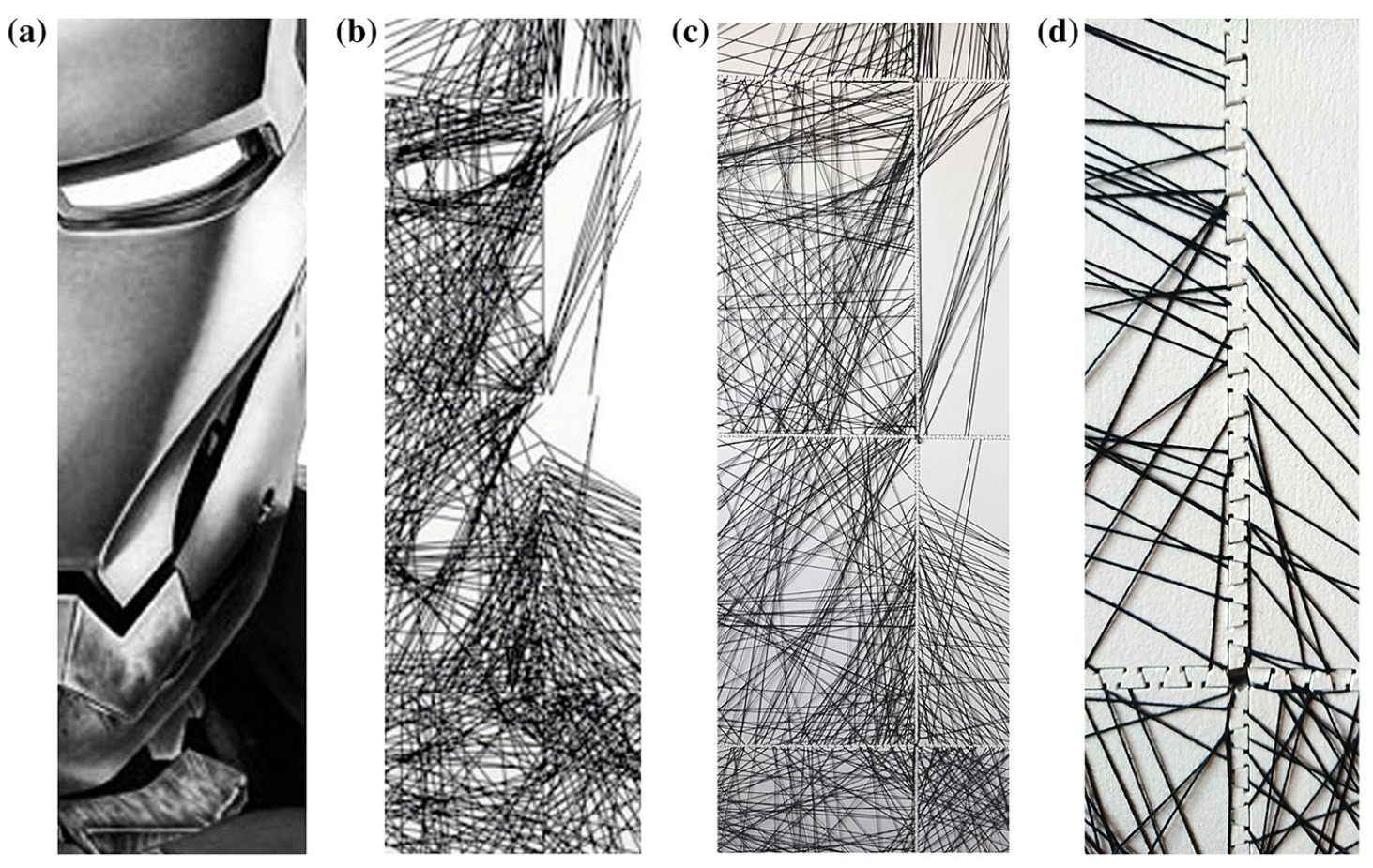
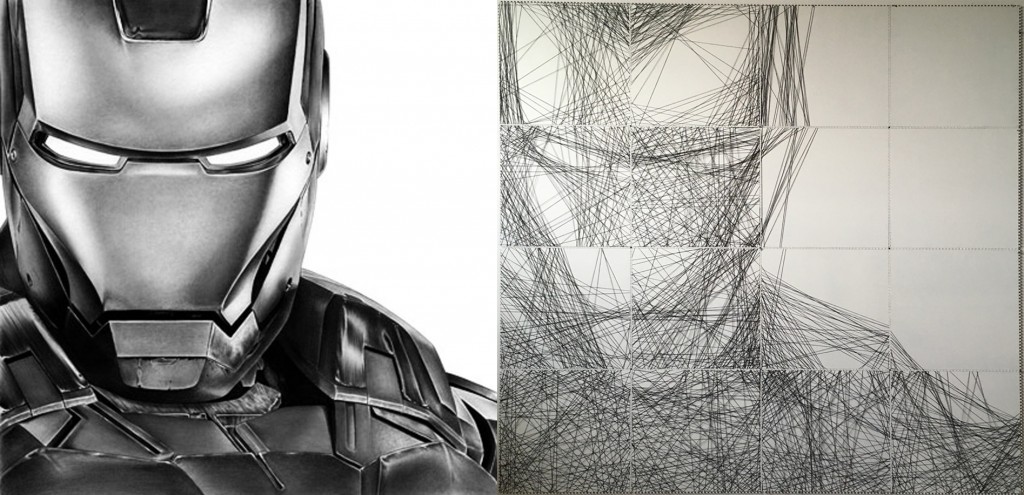
Abstract: The application of industrial robots in creative industries has shown great potential in the last decade. The interpretation of images as tangible and artistic works of art is depicted with various elements and techniques. The usage of a continuous piece of string allows for the design process to explore different methods of achieving comprehensible images in the form of string art. With different computational tools and design techniques, it becomes possible to explore design thinking coupled with automated fabrication. In this paper, the emphasis is placed on generating a large scale string art pieces out of smaller tiles, that can be used as wall art. By using an integrated workflow it is possible to generate the program for robotic knitting of the string art piece, by adjusting the parameters that govern the entire process.
Keywords: Robotic knitting, Robots in creative industries, Tessellation, Strings per tile

Kerf Bending Strategy for Thick Planar Sheet Materials

Mitov D., Tepavčević B., Stojaković V., Bajšanski I., 2019, Nexus Network Journal, Vol 21, p. 149-160, DOI 10.1007/s00004-018-0415-7

Abstract: The manufacturing of double curved surfaces in architecture is a time consuming and laborious process. There are many ways to fabricate double curved surfaces, however, most of these approaches require special molds, which is expensive for individual production. To create freeform surfaces from planar sheet materials, several design-to-fabrication strategies based on bending and forming processes have been developed in the past few years. Such strategies are based on certain mechanical or geometrical properties of the material, such as elasticity or thickness. In this research we focus on investigating design for the purpose of manufacturing double curved architectural panels, based on geometry and material processing. We propose a cost-efficient design-to-fabrication approach based on kerf bending, a manufacturing strategy which bends materials using a series of cuts called ‘kerfs’, to form planar sheet materials, often used in standard construction. Planar sheet materials, such as wood based or gypsum boards which can be applied in such a fabrication strategy, are widely used for interior wall finishing. For testing and evaluating this approach a full scale double curved panel is fabricated.

Keywords: Kerf bending, Digital fabrication, Low cost manufacturing, Developable surfaces, Design optimization

Online version of article: Kerf Bending Strategy for Thick Planar Sheet Materials

Design to fabrication method of thin shell structures based on a friction-fit connection system

Tepavčević, B., Stojaković, V., Mitov, D., Bajšanski, I., Jovanović, M., 2017, Automation in Construction, Vol 84, p. 207-2013, DOI 10.1016/j.autcon.2017.09.003.

Abstract: The use of production systems based on CNC manufactured integral joinery has been increasing in many design fields including architecture, construction and industrial design. In many cases, such production systems are based on connectors that utilize interlocking mechanisms between components for assembly, sustained only by friction. Assembly systems based on friction-fit connections are low-cost, easy to manufacture and can be flat packed, shipped for construction and assembled with no special tools, fasteners or adhesives.

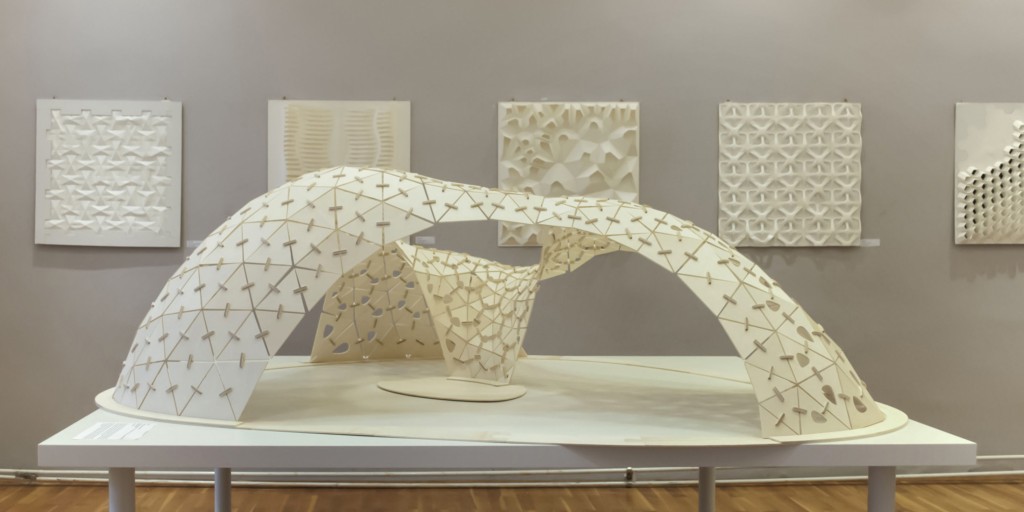
In this paper, we propose a design to fabrication method based on a 2D tool path CNC production system with the friction-fit connection assembly logic that can be easily manufactured and assembled. The presented method provides extended groundwork for architectural design exploration based on tessellation procedures. It can be used for the design of discrete thin shells and applied to different scenarios in architecture. The method combines construction and manufacturing constraints, along with architectural and aesthetic requirements, in order to achieve a visually balanced pattern of panels and connectors. Due to this, parametric design of construction details with multi-criteria design optimization was used. The design to fabrication method proposed was tested on two models with different form generation approaches, size and scale illustrating that the method can successfully fulfil all necessary constraints.

Keywords: Thin shells, Friction-fit connection, Digital fabrication, Design optimization, Low cost manufacturing, Non-standard wood based structures

Online version of article: Design to fabrication method of thin shell structures based on a friction-fit connection system

An Application of the Shark Skin Denticle Geometry for Windbreak Fence Design and Fabrication

Bajsanski, I., Stojakovic, V., Tepavcevic, B., Jovanovic, M., Mitov, D., 2017, Journal of Bionic Engineering, Vol 14, p.579-587, DOI 10.1016/S1672-6529(16)60423-7.

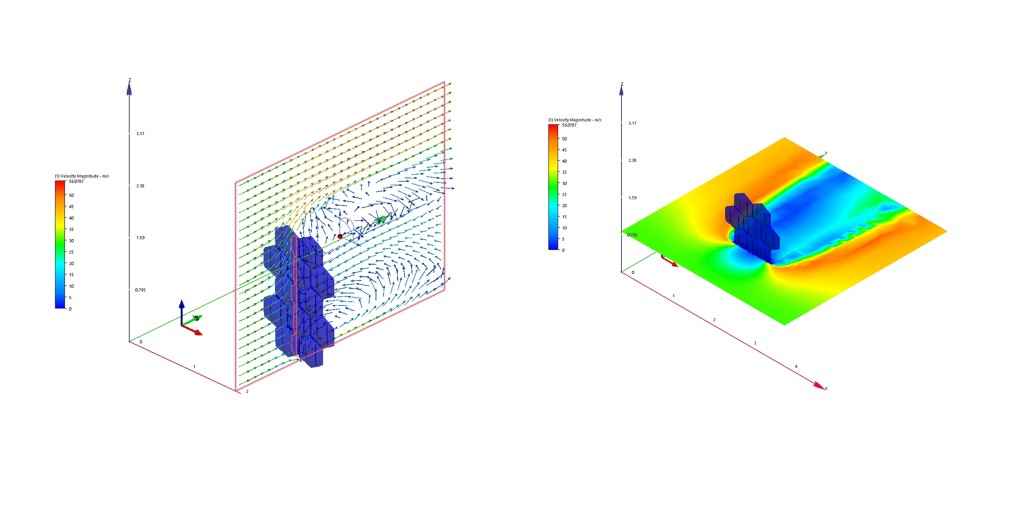
Abstract: Windbreak fences in open and urban areas can be used to effectively reduce the wind velocity. In this paper we examine how the geometrical shape of the windbreak fence can optimally mitigate wind velocity. We propose an approach for windbreak fence design based on a bionic parametric model of the shark skin denticle geometry, which improves the reduction of the wind velocity around and behind the windbreak fences. The generative model was used to estimate improvements by variations in the parameters of the fence panel’s geometrical shape, inspired by shark skin denticles. The results of the Computational Fluid Dynamics (CFD) analysis indicates that the fence surface inspired by shark skin performs much better than both flat and corrugated surfaces. Taking into account the complex geometry of the surface inspired by shark skin denticles, we propose a fabrication process using an expanded polystyrene foam (EPS) material, created using an industrial robot arm with a hot-wire tool. Creating EPS moulds for the shark skin denticle panels allows for a richer variety material to be used in the final design, leading both to higher efficiency and a more attractive design.

Keywords: bioinspiration, shark skin denticle, windbreak fence design, generative models, CFD

Online version of article: An Application of the Shark Skin Denticle Geometry for Windbreak Fence Design and Fabrication