Morphogenetic Fluid Dynamics lecture and workshop

We are glad to announce the lecture and the workshop Morphogenetic Fluid Dynamics which is organized by Digital Design Center and will be held at the Department for Architecture and Urbanism, Faculty of Technical Sciences, University of Novi Sad on 19-20.2.2018. The lecturer is Angelos Chronis, the PhD candidate (Mari-Curie Fellow) at the Institute of Advanced Architecture of Catalonia in Barcelona, as a member of the Innochain network. He teaches at IaaC and at the Bartlett School of Architecture of University College London. Previously he has been working as an Associate for the Applied Research + Development group at Foster + Partners.
He holds a diploma of Architecture from the University of Patras, Greece and an MSc in Adaptive Architecture & Computation from the Bartlett School of Graduate Studies, UCL, with distinction. He is a registered Architect both in Greece and in the UK.
His main research interest lies in the integration of simulation, optimization and performance drive in the design and fabrication process with a deeper expertise in computational fluid dynamics (CFD) but he has worked across many fields including virtual & augmented reality, interactive installations, 3D scanning, spatial analysis and parametric design.
He is also actively involved in scientific committees as an author, reviewer and organizer as well as participating in lectures, workshops and architecture crits internationally.

Workshop Description

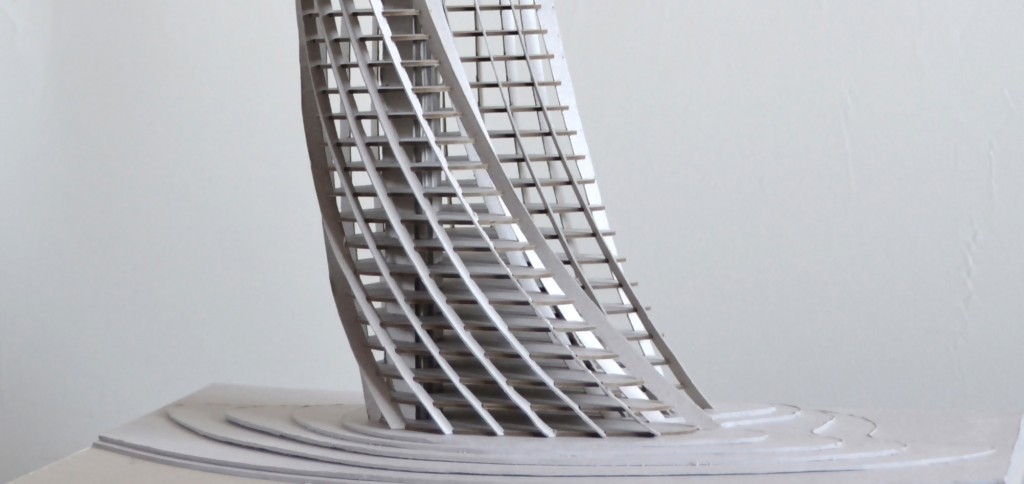
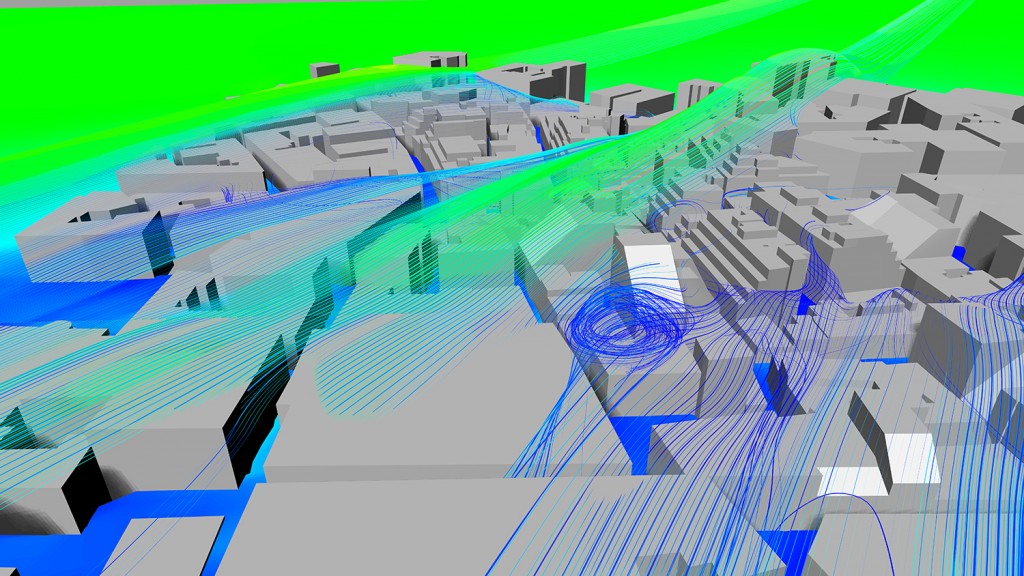
The Morphogenetic Fluid Dynamics workshop aims to introduce a performance‐driven design methodology, through exploring the ideas of shape optimization and iterative simulation feedback.
The workshop will look into the morphogenetic potential of fluids, based on the use of Computational Fluid Dynamics simulations and Computational Design processes. Working with a real world scenario and objective and through analyzing the context and data of the given site, participants will be asked to use introductory level parametric geometry and simulation tools to explore the effects of their design on the airflow and ventilation of the building.
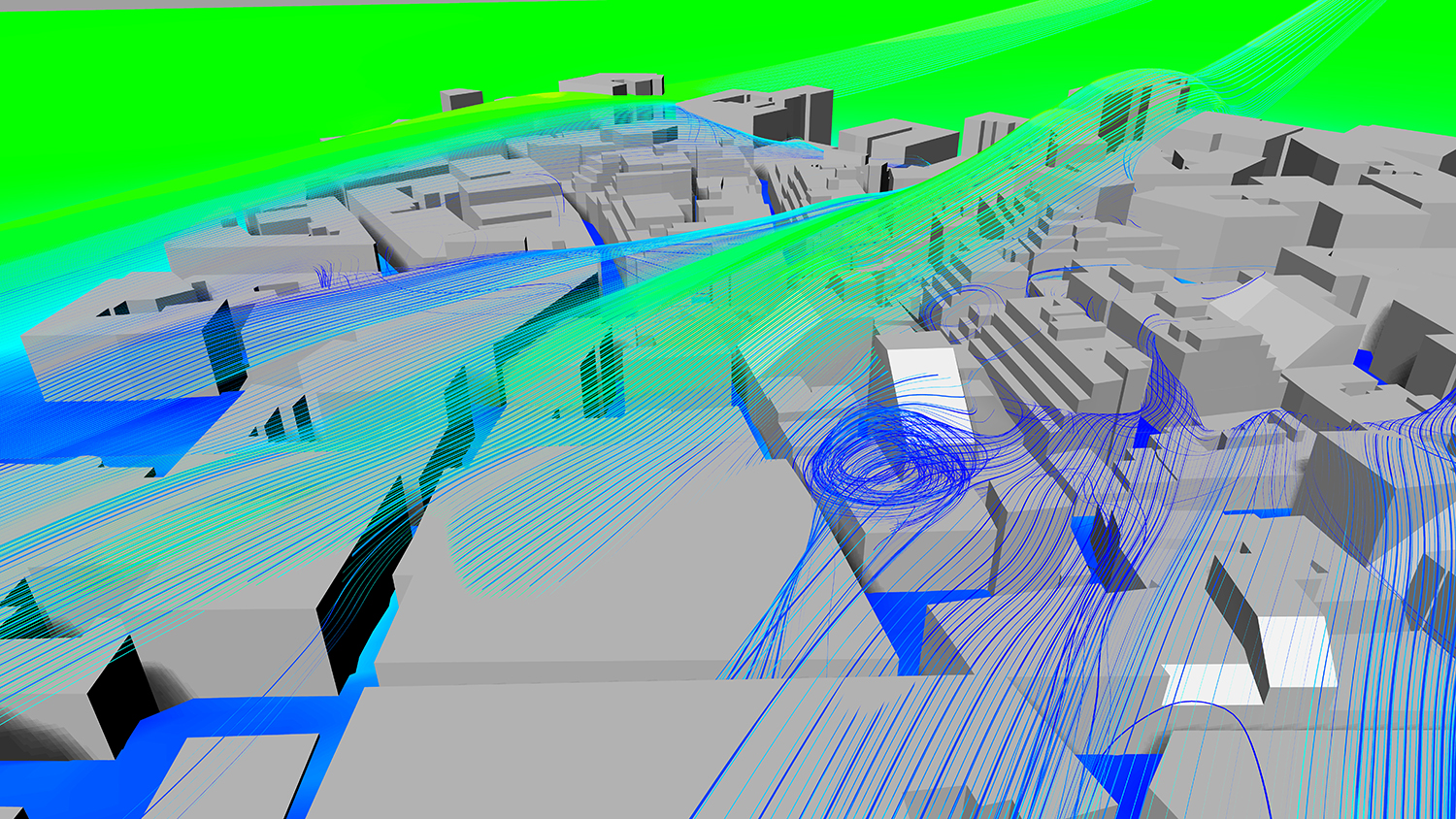
CFD - Atrium Spaces - 05 resize

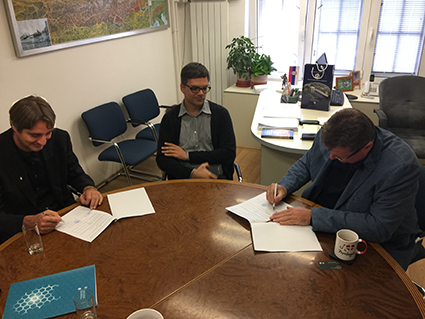
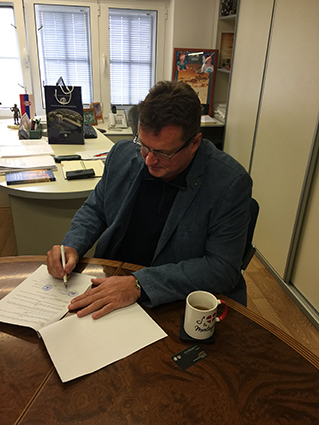
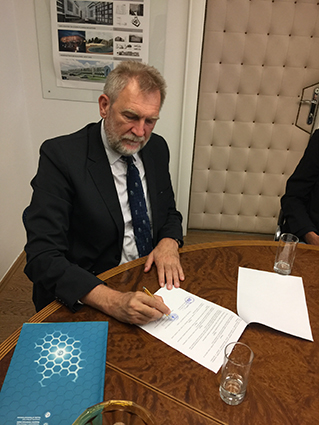
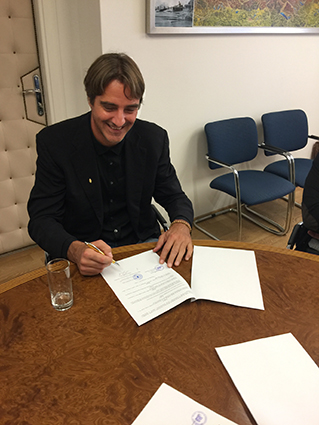
Contract signing between FTN and IKVB

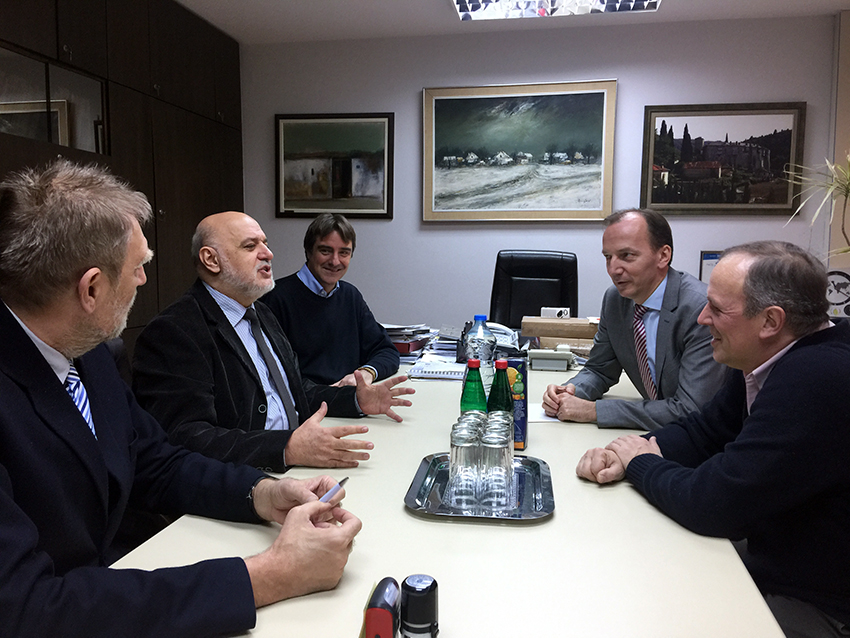
On January 16th 2018, a contract was signed between the Faculty of Technical Sciences from Novi Sad and the Institute for Cardiovascular Diseases from Sremska Kamenica. The contract defines the cooperation framework for conjoined realization of the scientific-research project named “VR Heart Surgery Simulation System”. The project’s goal is to implement VR in training cardio surgery medical staff by creating a specific VR simulation system.

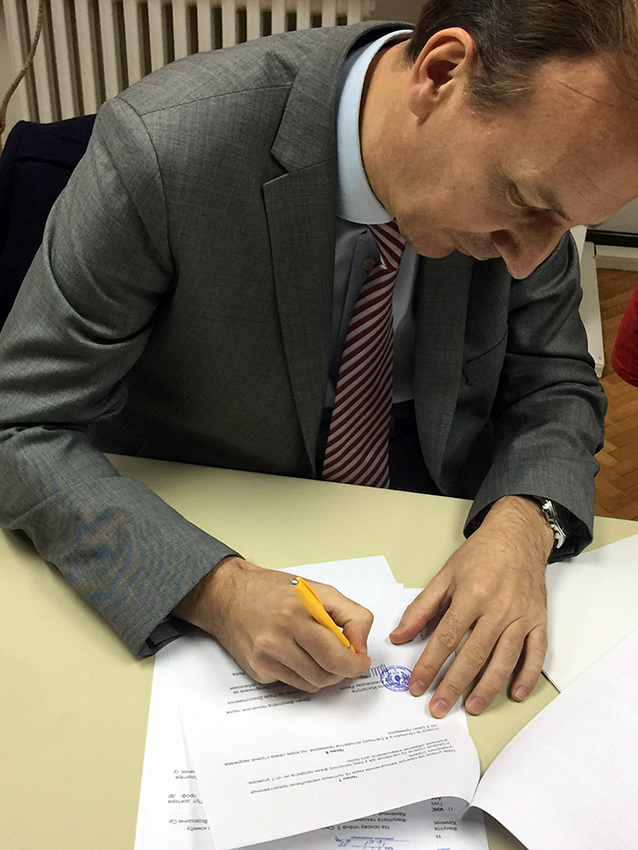
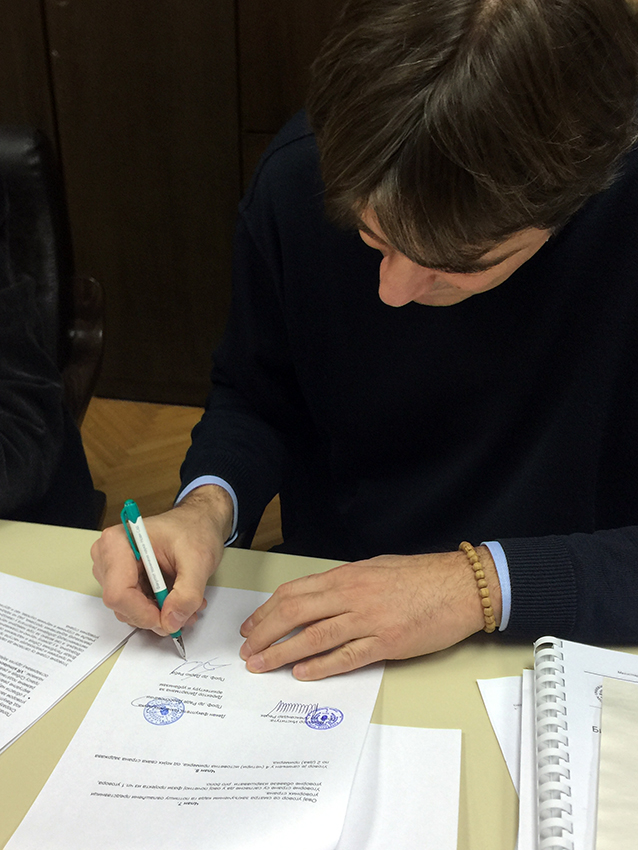
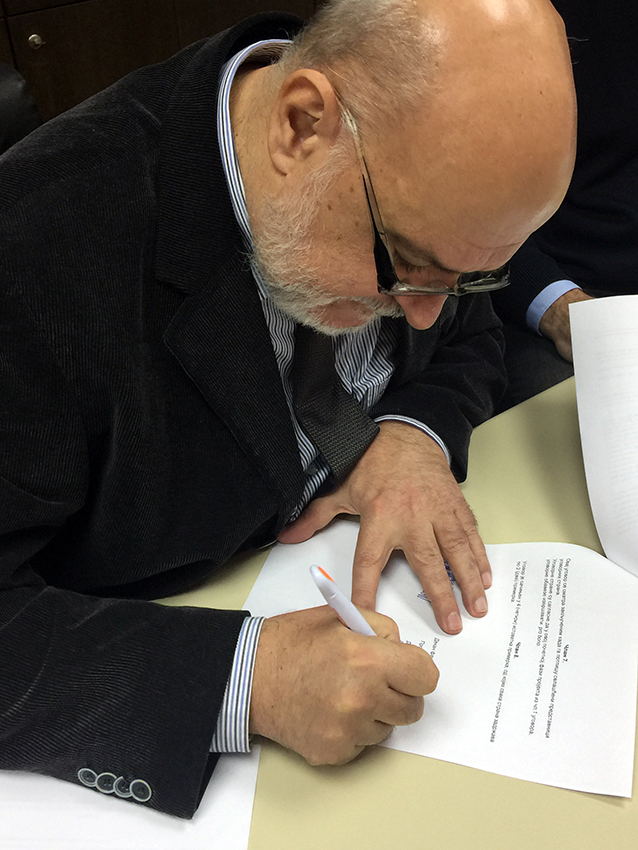
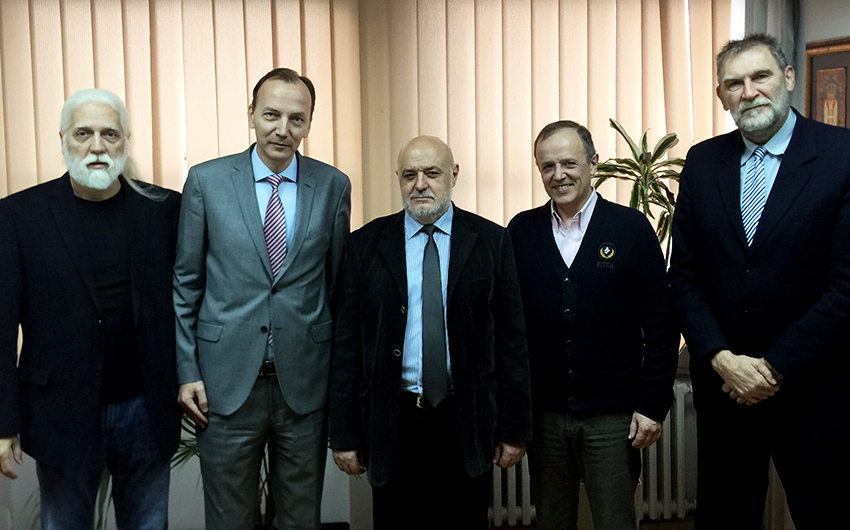
The contract was signed by prof. dr Aleksandar Redžek, representing IKVB, the Faculty of Technical Sciences’ dean prof. dr Rade Doroslovački and prof. dr Darko Reba in front of the Department of Architecture and Urban Planning, where the VR laboratory is located in and where the project will take place. The initiators of this project and cooperation, dr Živorad Jonjev, cardio surgeon and coordinator of the project for IKVB and prof. dr Predrag Šiđanin, the VR laboratory administrator and the team coordinator for the FTN, attended the signing of the contract, as well as vice dean for science and international cooperation, prof. dr Dragan Šešlija.

Both partners have expressed the desire and hope that with this cooperation, a significant contribution to further development of cardio surgery practice in Serbia will be made, especially when training younger surgeons. With this project, new chapters of joined scientific research field will be opened, contributing to further development, knowledge improvement and the possibilities of future cooperation for implementing virtual and augmented reality in cardio surgery.

Posle potpisivanja ugovora

After signing the contract

Prof dr Aleksandar Redyek potpisuje ugovor

Prof. dr Aleksandar Redžek signing the contract

prof dr Darko Reba potpisuje ugovor

Prof. dr Darko Reba signing the contract

prof dr Rade Doroslobvacki potpisuje ugovor

Prof. dr Rade Doroslovački signing the contract

Prof Šiđanin, dr Redžek, prof Doroslovački, dr Jonjev, prof Šešlija

Prof Šiđanin, dr Redžek, prof Doroslovački, dr Jonjev, prof Šešlija

Potpisan ugovor o saradnji između FTN-a I IAUS-a

U Beogradu je 25. septembra potpisan Ugovor o saradnji između FTN-a, Departmana za arhitekturu i urbanizam i Instituta za arhitekturu i urbanizam Srbije – IUAS-a. Cilj potpisivanja ovog ugovora je da se unapredi arhitektonsko projektovanje, urbano i prostorno planiranje implementacijom tehnologija virtaualne (VR) i proširene (AR) realnosti, saradnja na zajedničkim naučnim projektima, unapređenje međunarodne saradnje i nastupima prema drugim institucijama i mogućim partnerima. Ugovor su potpisali ispred FTN-a prodekan za nauku prof. dr Dragan Šešlija, direktor Departmana za arhitekturu i urbanizam prof. dr Darko Reba i naučni savetnik dr Saša Milijić, direktor IAUS-a. Posle potpisivanja ugovora profesor dr Predrag Šiđanin, inicijator ove saradnje, je održao predavanje rukovodiocima projekata IAUS-a na temu ’Primena VR i AR tehnologija u arhitekturi, urbanom i prostornom planiranju’. Predavanje je pobudilo interesovanje i razvila se diskusija o mogućim oblastima prema kojima bi se buduća saradnja mogla fokusirati.

IAUS je osnovan 1954. god. kao samofinansirajuća naučno-istraživačka ustanova čiji se zaposleni uporedo sa naučnim radom bave arhitektonskim i urbanističkim projektovanjem, urbanističkim i prostornim planiranjem, ekspertizama i studijama, monografskim izdanjima i uređenjem dva naučna časopisa, kategorizacije M24 i M51. Za svoj dugogodišnji naučni i profesionalni rad dobili su brojna priznanja i nagrade na mnogim domaćim i međunarodnim manifestacijama, stručnim skupovima i izložbama. Trenutno je u IAUS-u zaposleno 35 od kojih je 16 doktora nauka. FTU-u, a posebno Departmanu za arhitekturu i urbanizam je saradnja sa IAUS-om poseban podstrek za dalji razvoj i unapređenje digitalnih tehnologija, kojima se već čitav niz godina bavi, a posebno laboratorije za virtualnu realnost, koja je u formiranju. Saradnja sa IAUS-om će doprineti daljem podizanju profesionalnog nivoa arhitektonskog projektovanja, urbanog i prostornog planiranja u Srbiji.

Sa potpisivanja Ugovora u IAUSu

Potpisivanje Ugovora_dr Sasa Milijic_IAUS

Potpisivanje Ugovora_prof dr Dragan Seslija_FTN

Potpisivanje Ugovora_prof dr Darko Reba_FTN_Departman za arh i urb

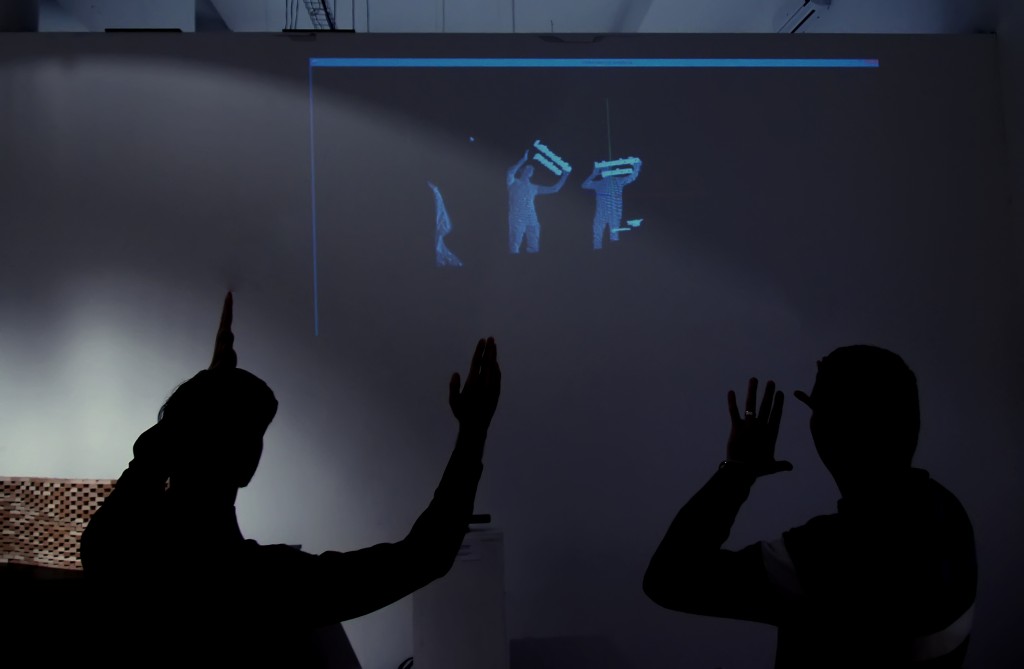
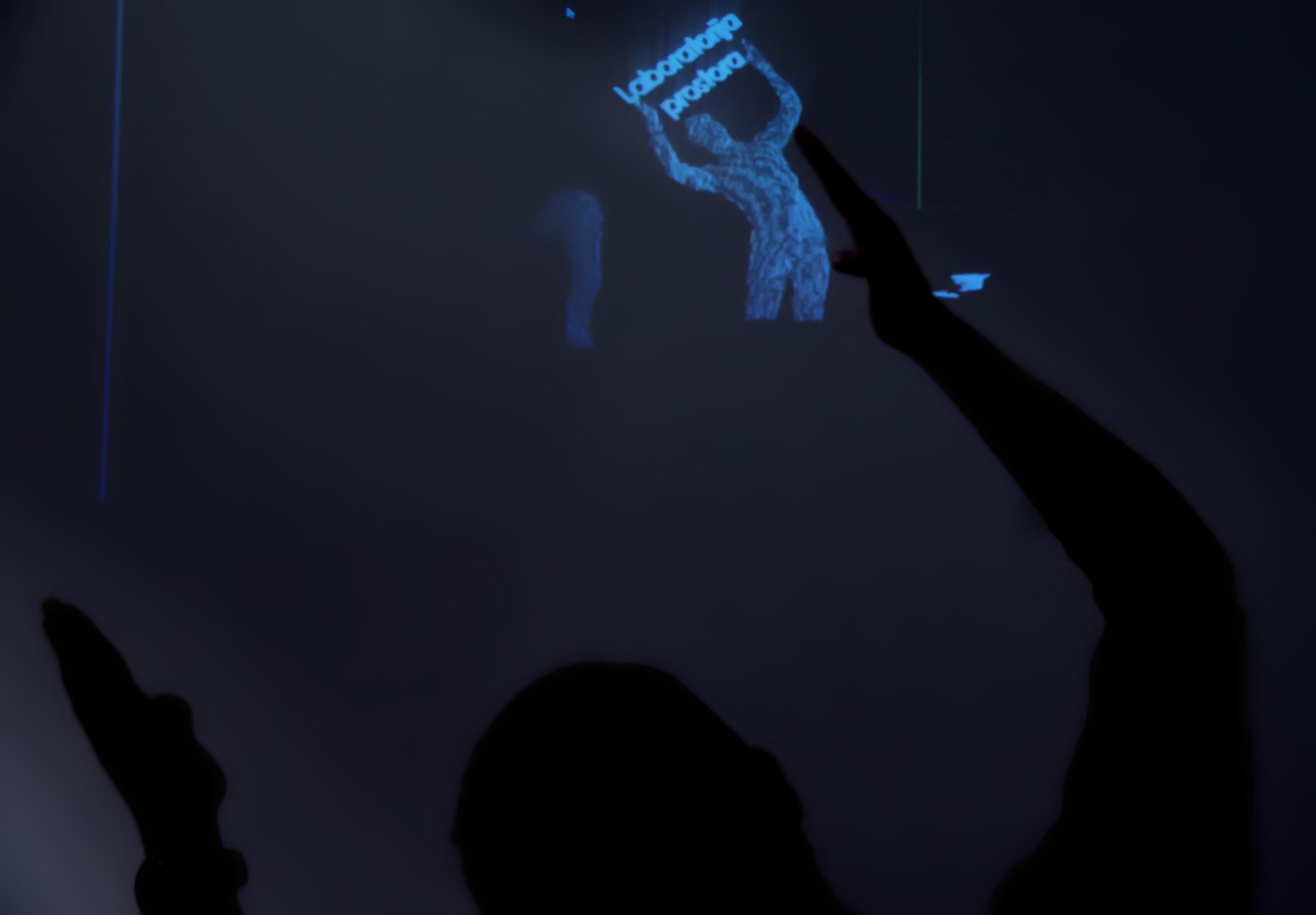
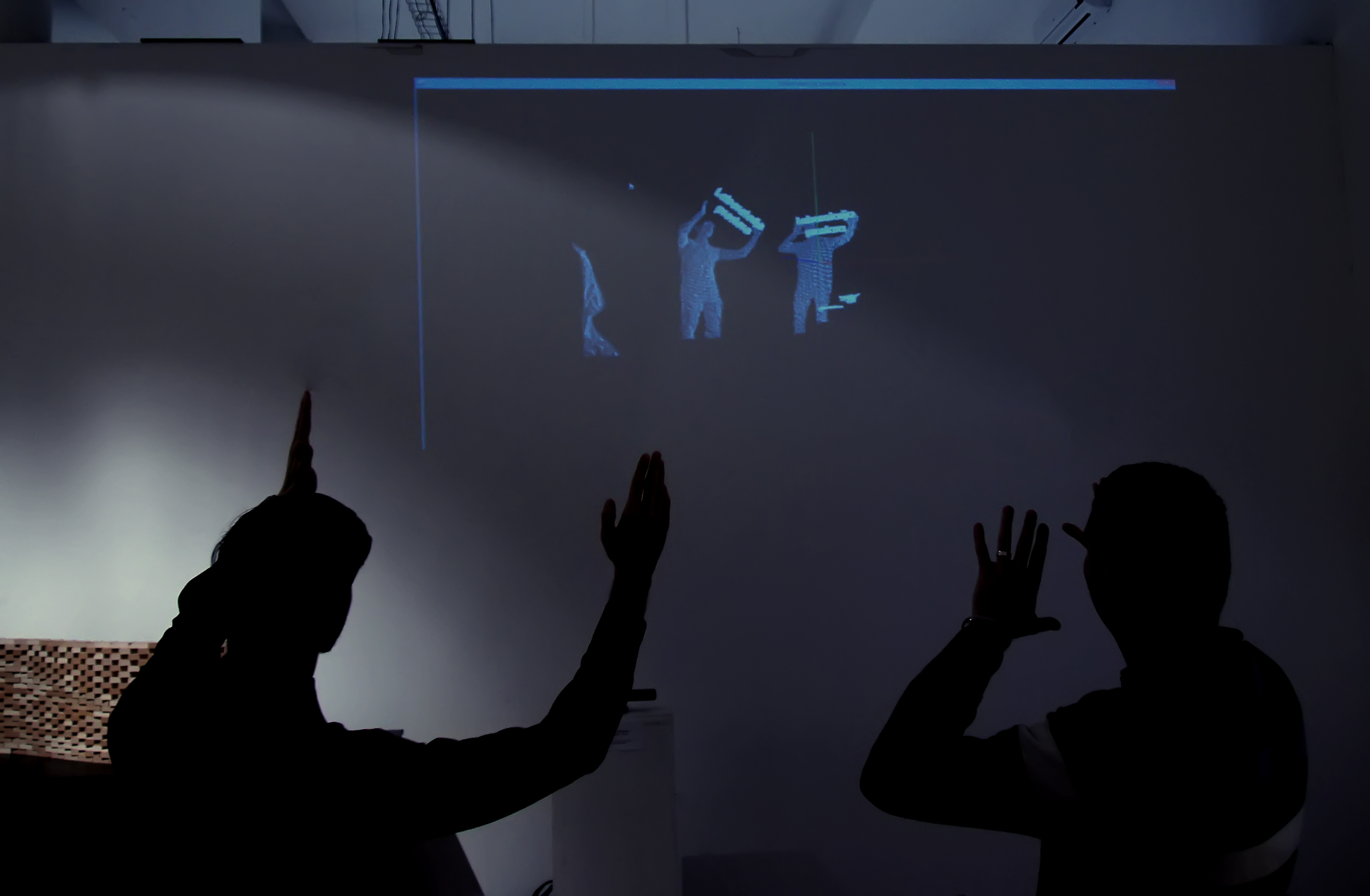
Interactive wall – Opening MSUV exhibition “Laboratorija prostora”

Interactive wall is installation made for opening exhibition “Laboratorija prostora” held in Museum of Contemporary Art of Vojvodina in Novi Sad, Serbia 22.12.2015-9.1.2016. The Microsoft Kinect is used as depth and colour sensor and tracking device for hand and skeleton movement.  Processing programming language and kinectprocessing libraries are used for hand tracking in order to position text “Laboratorija prostora” between hands that are interactively change position, rotation and size simultaneously with hand movement.

SONY DSCSONY DSC

Digital Design in Architecture and Urban Planning

Digital design subject covers the theoretical and practical frameworks of a novel architectural paradigm, which relies on digital technology application in architecture. Within the confines of the course, practical problems are solved, by contemporary parametric modeling tools (Grasshopper, Rhinoceros), as well as various tools for geometric form optimization with a goal of increasing energy and structural building performance, such as Autodesk Ecotect and genetic algorithms.

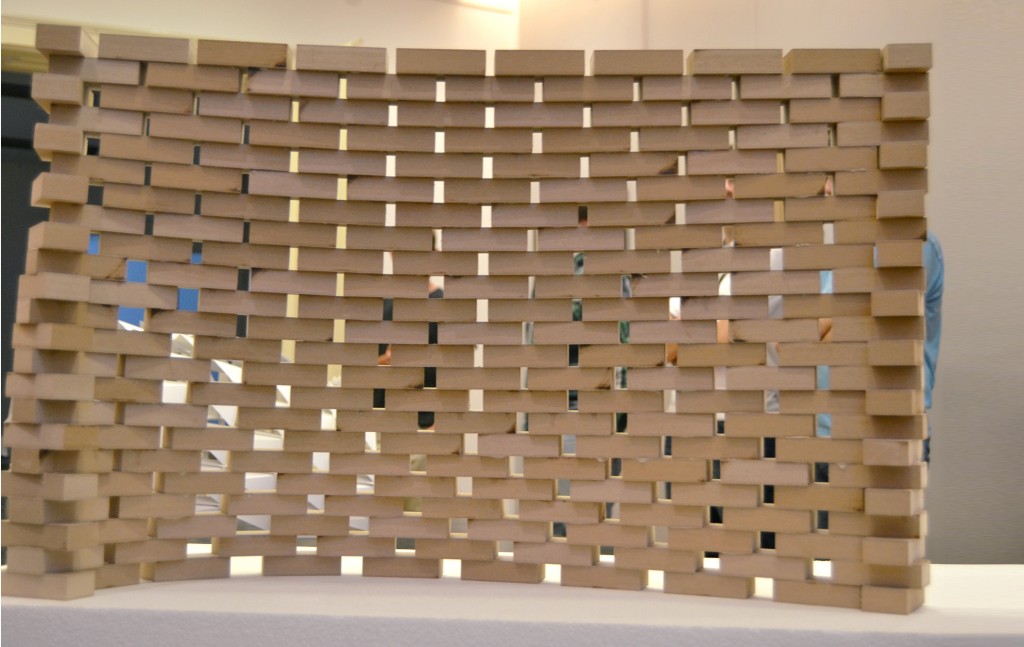
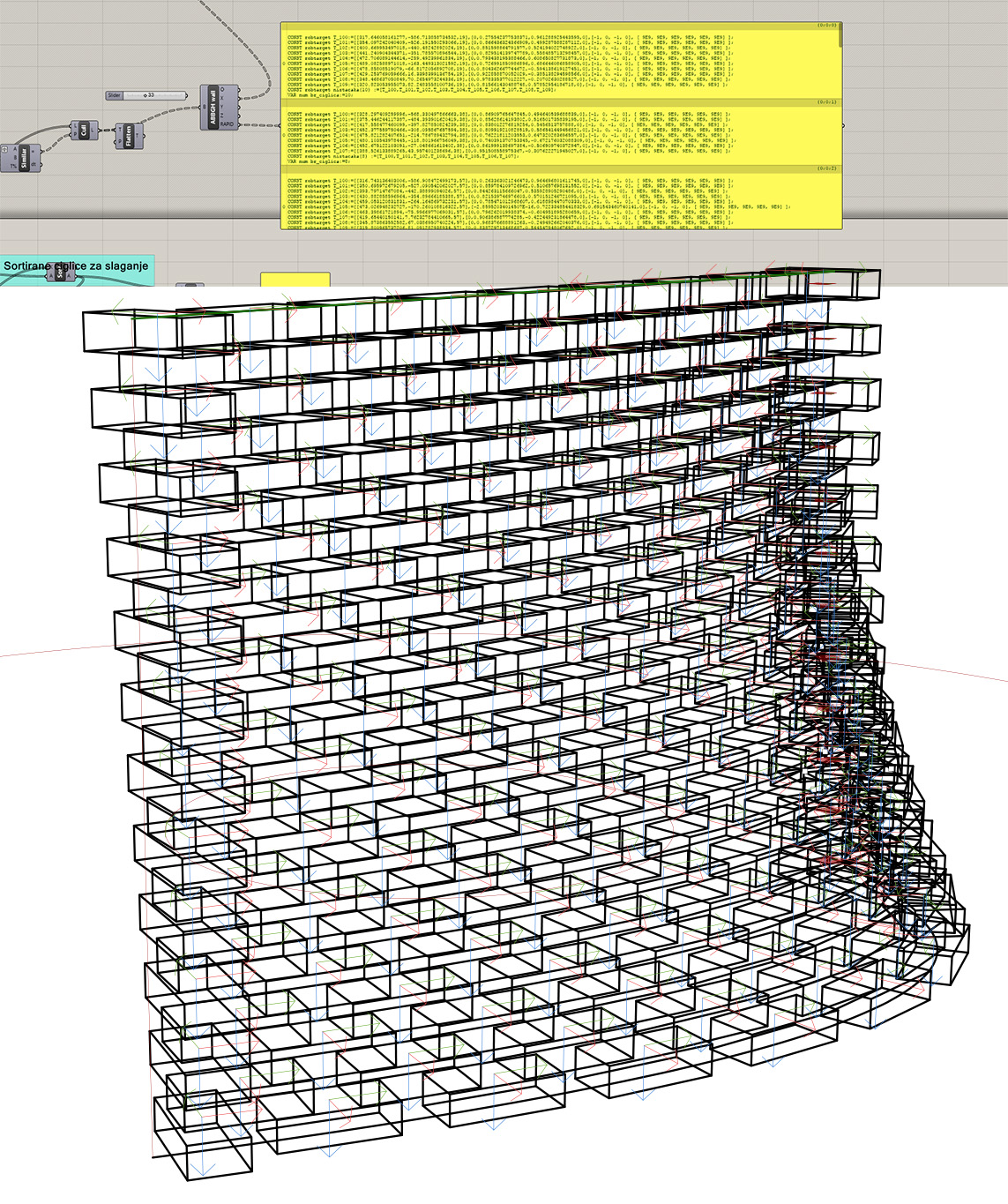
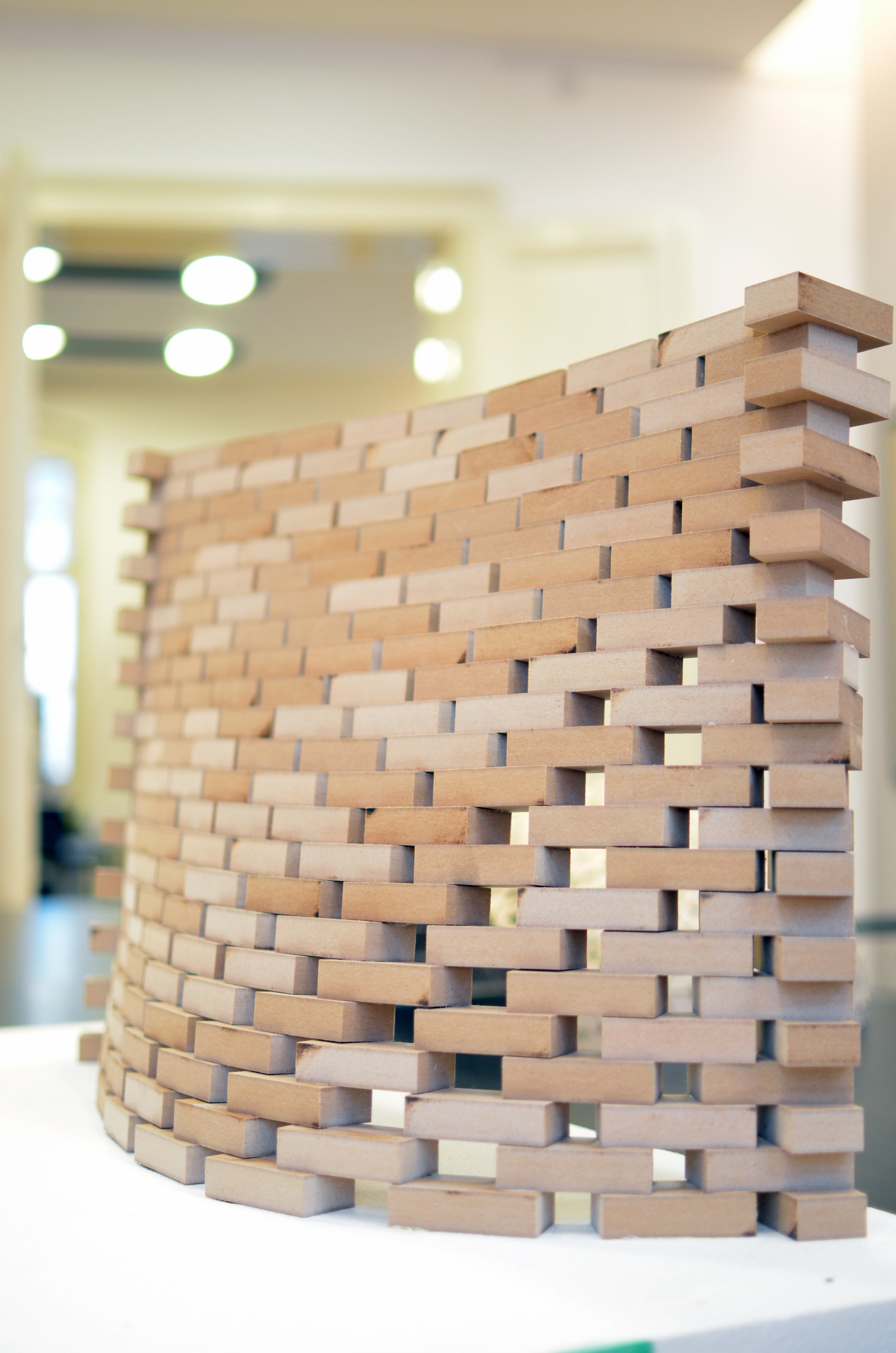
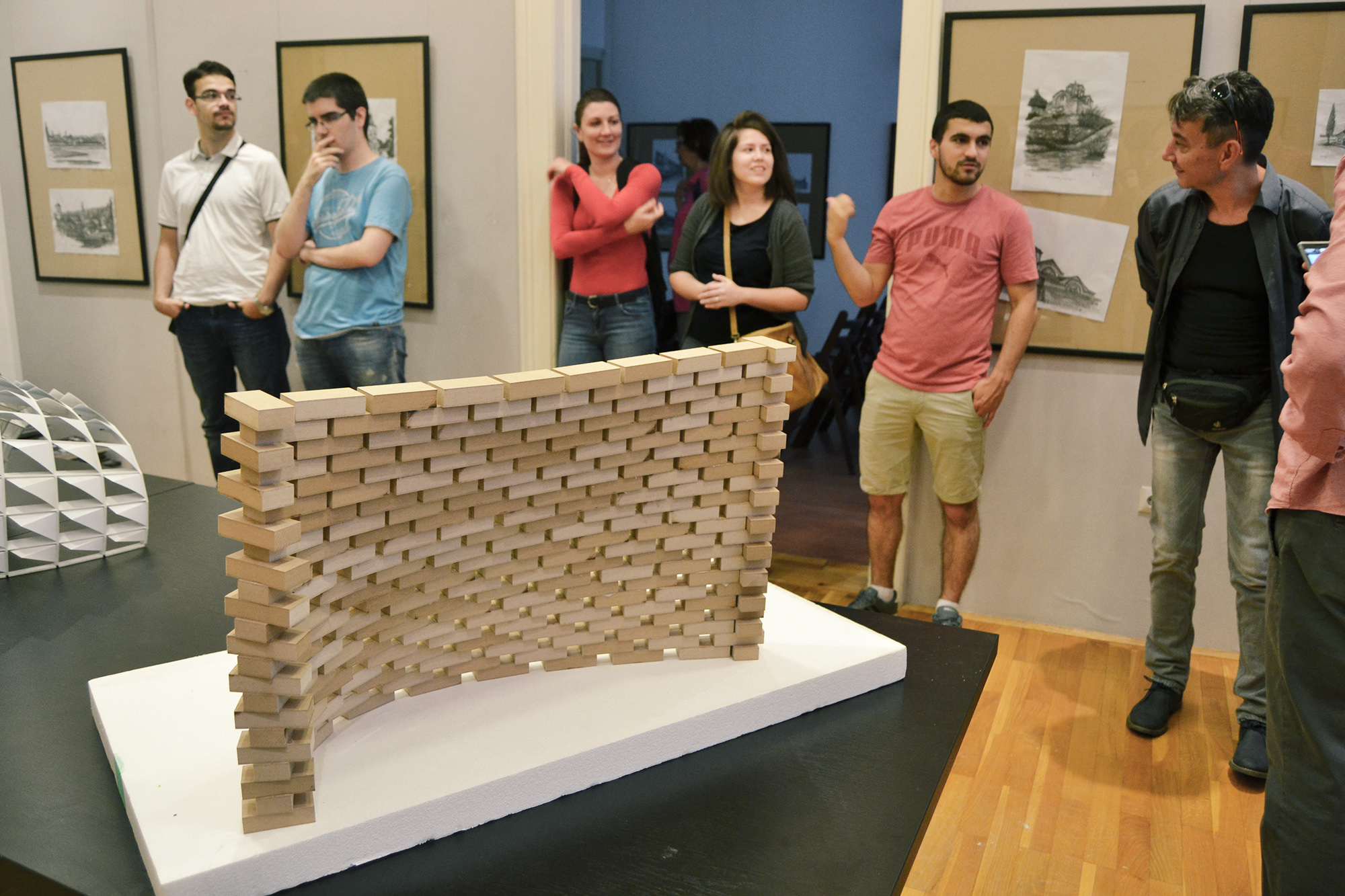
Bricklaying freeform wall

In this research, unitized predetermined size MDF bricks, are laid by a robotic arm to form a wall shape. Software used for geometry generation and parametric manipulation is Rhinoceros, in conjunction with its plug-in, Grasshopper. Software used for generating instructions for robot arm to follow is RobotStudio, with its programming language RAPID. Custom Grasshopper add-on is written in C# programming language, mediating between an architectural design program and robotic arm manipulation program.  It enables  automaticaly generation of RAPID code in accordance to the Grasshopper generated geometries of walls.

ciglice1

DSC_0251 copy

DSC_0140

Credits: Dr Bojan Tepavčević,  Marko Jovanović, Digital Design Center, FTN, University of Novi Sad

Collaboratorion: Dr Mirko Raković, Chair of Mechatronics, Robotics and Automation, FTN, University of Novi Sad